
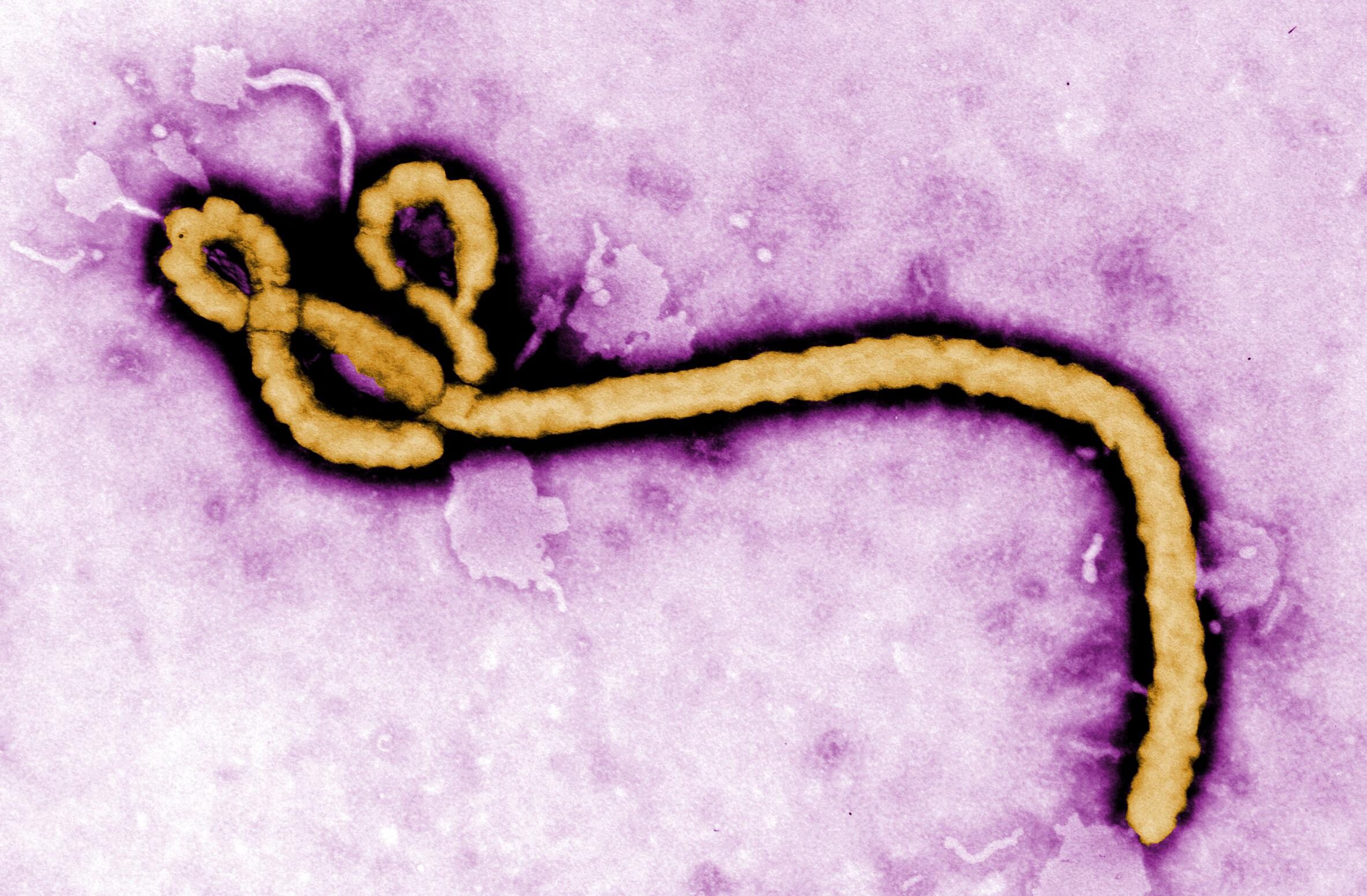
Not long ago, the first case of Ebola was confirmed in France, in a humanitarian doctor returning from a mission in the Democratic Republic of the Congo (DRC). Quickly treated, the patient was placed in isolation in a negative-pressure room.
The first Ebola case in France
On May 16, 2026, the World Health Organization (WHO) confirmed a new Ebola outbreak in the DRC, rapidly classified as a Public Health Emergency of International Concern (PHEIC). It should be noted that the pathogen involved is rather unusual because the outbreak involves the Bundibugyo variant, for which there is absolutely no vaccine or treatment. By mid-June, the on-site tally was already around a thousand cases, with a case fatality rate of nearly 25%.
In an official statement published on June 24, 2026, the French Ministry of Health confirmed the identification of a first Ebola case, in a physician returning from humanitarian mission in the DRC, in one of the zones affected by the current outbreak.
« All precautionary measures, and notably the isolation of the patient, were taken upon his arrival on national territory with a transfer to hospital in secure conditions to prevent any risk of contamination. », can be read in the communiqué.
Emergency protocol and epidemiological investigation
Currently, the patient is being treated in a negative-pressure room, a high-security system that prevents infected air from circulating outside the unit. Moreover, the diagnosis has been validated by the National Reference Center for Viral Hemorrhagic Fevers (CNR-FHV) at the Pasteur Institute, the only body authorized to confirm the presence of the virus on French soil.
Public Health France quickly launched an epidemiological investigation, which is still ongoing. The objective is to identify all individuals who have come into contact with the patient since the onset of the first symptoms. The people in question will have to observe strict home isolation for 21 days. This period corresponds to the incubation time of the Ebola virus. It should be noted that in the absence of symptoms, infected individuals are not contagious.
Also, the European Centre for Disease Prevention and Control (ECDC) has stated that the risk of spread in Europe remains very low. The center also judged the risk of infection for European residents and travelers heading to zones with active transmission as low. It should be recalled that the transmission of the virus requires direct contact with the bodily fluids (blood, sweat, saliva, semen, etc.) of an infected person. In other words, airborne transmission is impossible.
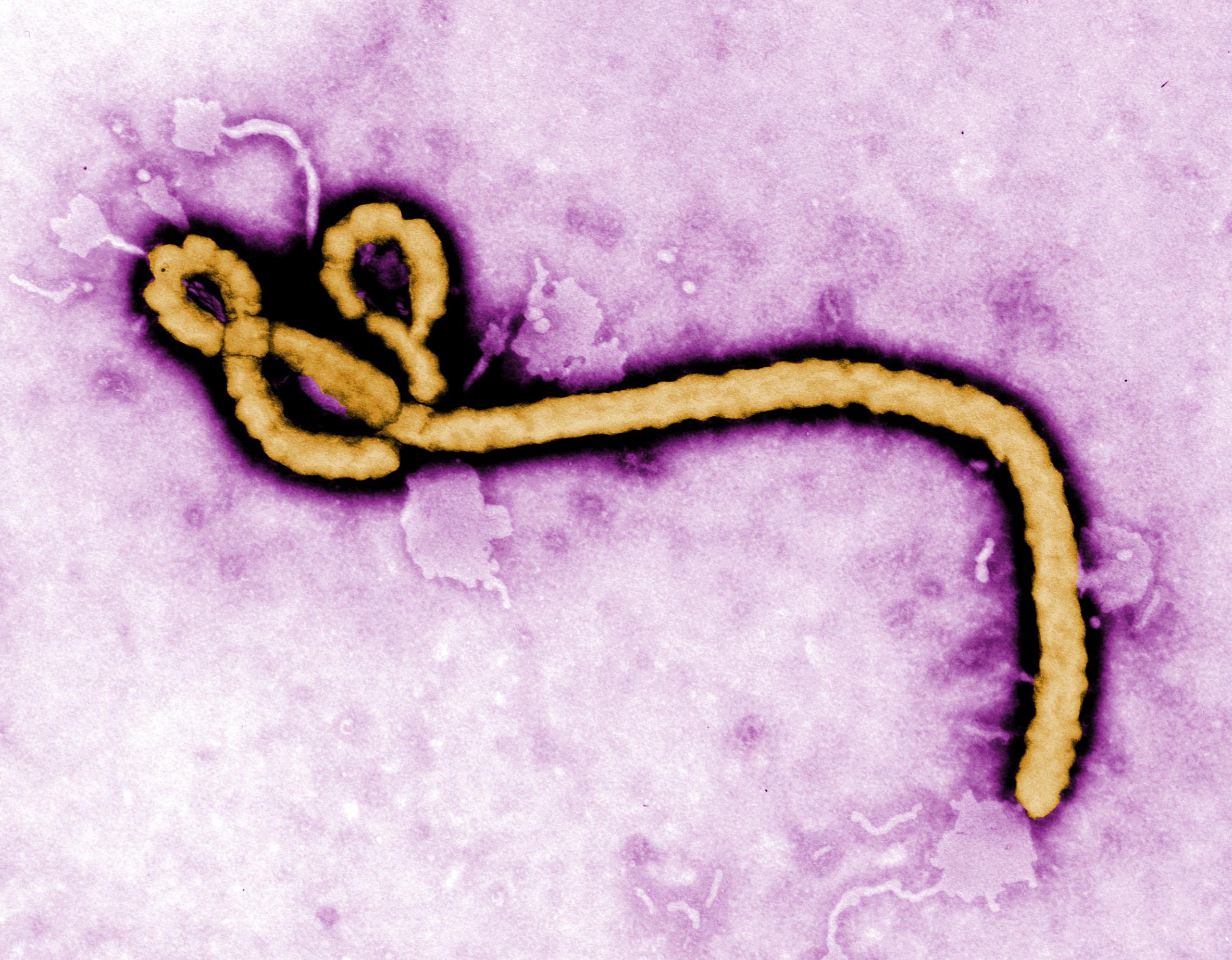
Why does the Bundibugyo variant pose a problem?
Today, only the Zaïre variant is associated with real preventive or curative treatments. Mention the vaccine “highly effective” Ervebo, which is widely used to stop Ebola outbreaks, as well as the approved monoclonal antibodies (Inmazeb, Ebanga). However, there is no cross-protection against the Bundibugyo variant at the vaccine level, nor with the monoclonal antibodies. Thus, there is no specific Ebola treatment related to the Bundibugyo variant. Management therefore relies on addressing the symptoms, notably through rehydration.
Recall that the virus does not kill directly by its mere presence but by the damage it causes in the body. It destroys the cells lining the blood vessels, which leads to fluid leaks, severe diarrhea, and massive vomiting. Most often, the patient dies from hypovolemic shock—the heart no longer has enough blood to pump—and from multi-organ failure. Hydration therefore helps maintain blood volume and blood pressure.
