
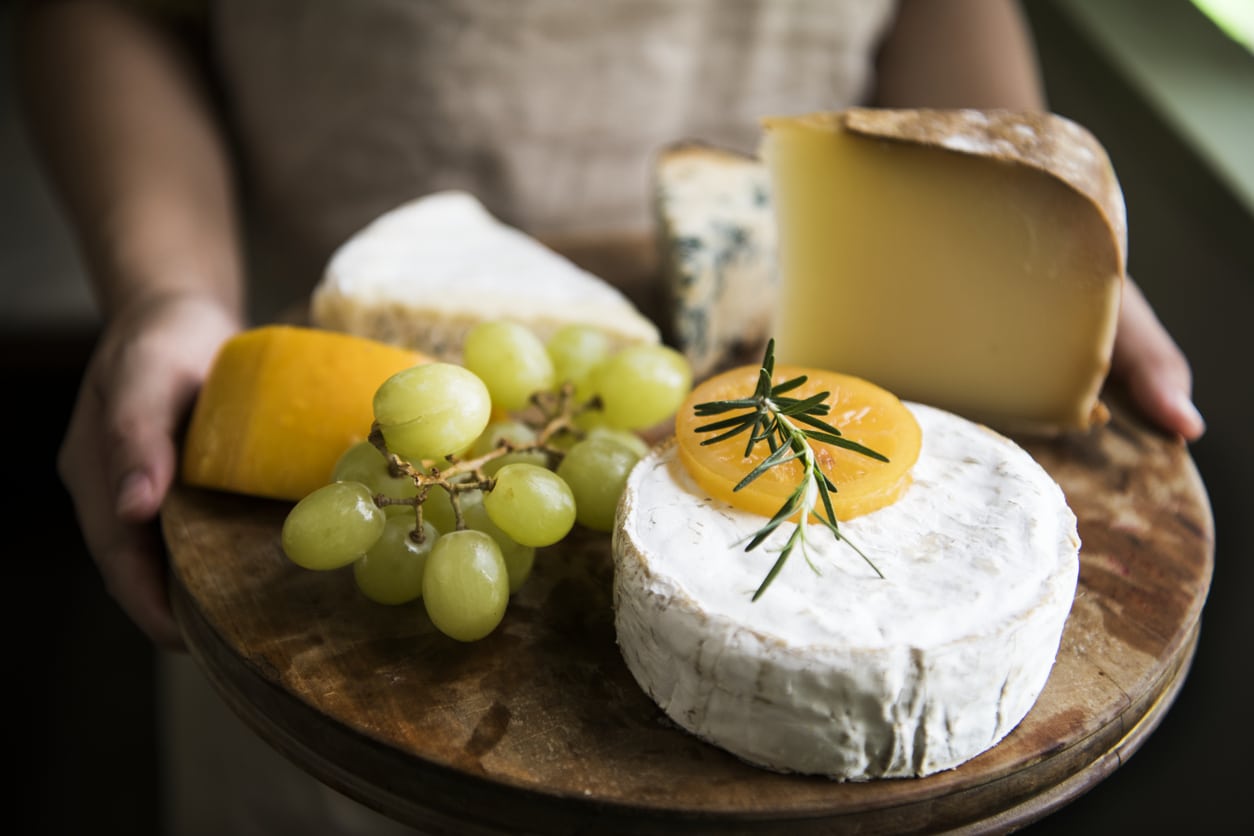
Recently hailed as beneficial for mental health, cheese delights many consumers around the world. The most inquisitive of these gourmets might have asked themselves some fascinating questions about their favorite food. For example, apart from its plant-based version, cheese requires milk for its production. Lactation, however, is not limited to cows, goats, water buffalo, or sheep. So, would it be possible to make cheese from the milk of any mammal? Would it work with, for instance, whale milk, dog milk, cat milk, camel milk, reindeer milk, elephant milk, or even… human milk?
How to make cheese: a process that requires certain elements
After heating raw or pasteurized milk to eliminate unwanted bacteria while preserving those that will contribute to lactic fermentation, the process moves on to fermentation and/or acidification. For this, lactic cultures (bacteria), rennet (an enzyme obtained from the stomach of calves slaughtered before weaning, which is why cheese is not vegetarian), lemon juice or vinegar are used. This thus enables the coagulation of milk and the formation of the lactic curd. The curd is then separated from the whey, molded to give it its future final shape and, if desired, pressed to obtain a firmer texture.
Next, the cheese may be salted for flavor and preservation through a brine bath or manual salting. One can also incorporate molds (such as Penicillium roqueforti from Roquefort) or cheese fly larvae (Piophila casei) for the very dangerous Casu marzu. Finally, the aging takes place under controlled humidity and temperature to develop its aromas and texture. This process varies depending on the type of cheese (soft dough, pressed dough, washed rind, etc.) and can take from a few weeks to several years for cheeses with stronger flavors. Thus, there will be a very different flavor between a simple cheddar and its mature or extra-mature version.
Some milks are more suitable than others
Each step is ultimately crucial to producing cheeses that range from mild to sharp, from creamy to dry, each with its own unique characteristics, its own nutritional value, and its history. The slightest change in ingredients (notably the bacteria), the procedure, or the steps of the recipe can thus completely alter the final result and taste. The use of certain bacteria can in particular alone profoundly change the flavor. However, being the base ingredient, milk can bring the biggest variations.
Cow, goat, sheep, and buffalo milk are ultimately commonly used, because it has a balanced composition of proteins, fats, and lactose, which greatly facilitates coagulation. This better-curdling capability ultimately allows producing cheeses with good texture and pleasant flavor. And the more fat a milk contains, the creamier and smoother the texture. Camel, horse, or donkey milk has a different composition that can make cheese making more challenging.
In the case of the milks typically used, there is mainly a lower lactose content (the main sugar of milk), but a higher casein content, a protein whose amounts vary from one species to another and which is essential to enable the milk to curdle, then a dough. For example, in classic cow’s milk, there is about 87.7% water, 4.7% lactose, 3.6% fat, 3.2% proteins (including casein) and 0.7% minerals.
A question of relative accessibility
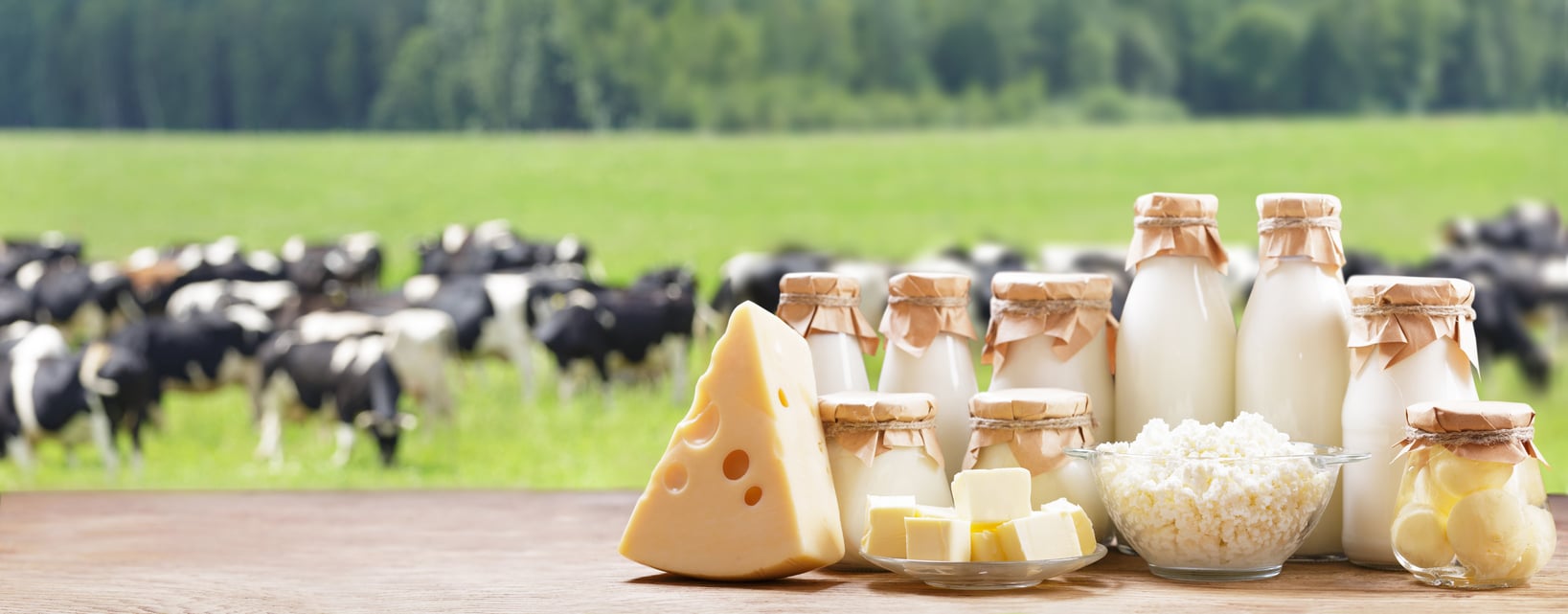
On top of its ideal composition of protein, lactose, and fat that enables a wide variety of products, flavors, and textures, cow’s milk is much more common due to its accessibility. Cheese production is thus also influenced by the availability of milk and local traditions. For example, in certain regions, yak milk or reindeer milk is more readily used for cheese because of the availability of these animals.
Pule, a pure product of Serbian craftsmanship and also the world’s most expensive cheese, thus contains not only goat milk but also donkey milk. Moreover, this method of blending several milks is reminiscent of the techniques used by some cheesemakers who blend cow, goat, or sheep milk to help the mixture coagulate more effectively.
Can cheese be made from any milk?
To be clear: in theory, cheese can be made from the milk of any mammal. Indeed, all milks contain the proteins and fats necessary for coagulation and cheese formation.
As noted by chemist Dr. James Reynolds from Loughborough University (UK) for IFL Science: « Research conducted on the milk of blue and common whales published in Nature in 1953 showed that whale milk fat and protein content was much higher than cow’s milk, with approximately 40% fat and between 10 and 12% protein […] The lactose content was estimated to be lower ». He adds that “with such a large amount of fat present in the sample, this suggests that whale cheese would have a very rich creamy texture.” It would also be ideal for making butter.
Other milks studied by science include the very fatty elephant milk (around 15% fat), reindeer milk (with 11% protein) or even human milk, rich in carbohydrates (around 7%), fats (about 4%) and a little protein (just over 1%).
Theory meets practice
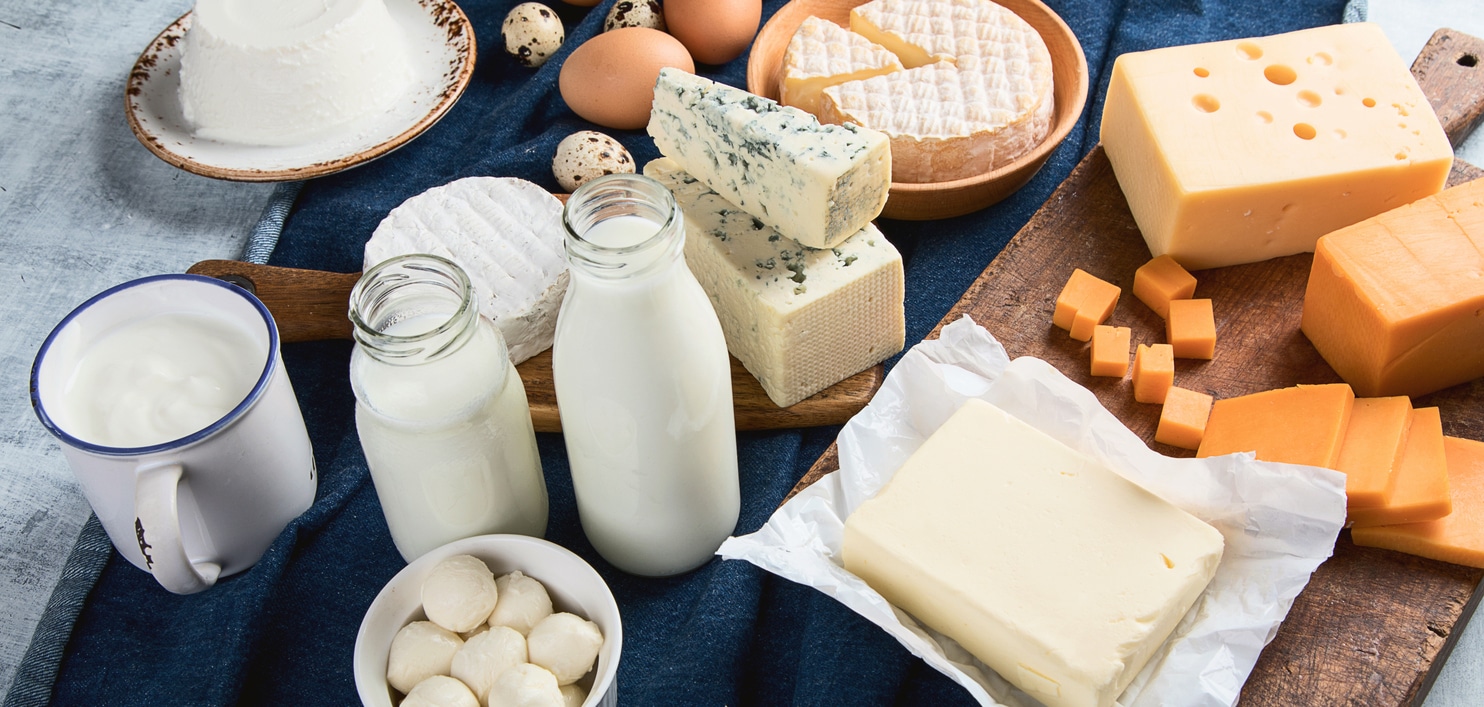
In short, all fantasies seem possible. However, in practice, things become considerably more complicated. For instance, every milk has different proportions of fat, lactose, and casein. This means that for each milk, the entire manufacturing method must be reconsidered and each step adjusted to obtain a cheese product worthy of the name, especially for milks low in casein such as human milk.
Beyond the purely chemical aspect, it is also necessary to consider ethical questions, already present in the debate surrounding cow milk consumption. Indeed, this milk is primarily intended to nourish the young of the animals, sometimes in endangered or very weakened species, and not to satisfy the palate of gourmet enthusiasts seeking exotic sensations.
Purely practical questions also arise. Indeed, it is hard to imagine a diver going in search of milk at sea from whales, whose teats are hidden in mammary slits and only emerge when the calf stimulates them to suckle. And even under controlled conditions with attempts to domesticate the animals, they would remain wild and unpredictable, thus unlikely to participate in such a “game.”
Finally, this also raises questions related to taste, highly influenced by the animal’s diet, and associated health risks. Milk from certain mammals, such as whale or dolphin milk, can thus have a very strong fishy taste or an unpleasant odor for humans. This typically white liquid can also contain pathogens or species-specific toxins that would require specific sanitary precautions, further complicating the cheese-making process.
