
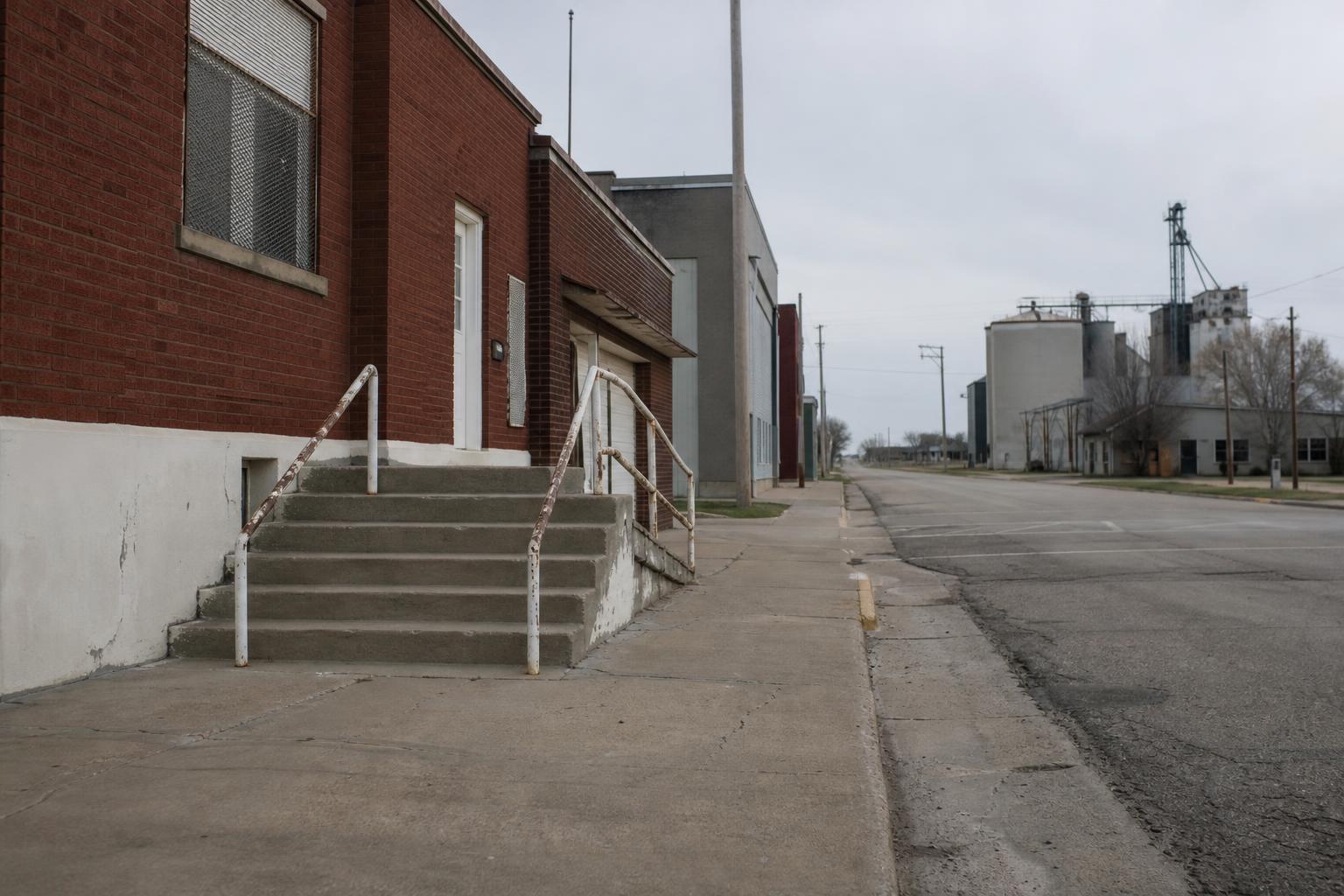
The prairie sky is big, and the horizon feels endless, but the quiet here has a weight to it. For ten years, no one has heard a first cry, no balloons on a porch, no casseroles cooling on a counter while neighbors coo. The town keeps going, because that’s what towns like this do, but everyone knows what’s missing.
The silence after the ward went dark
A decade ago, the hospital’s tiny maternity unit turned off its lights. The decision came with spreadsheets and solemn meetings—not enough births to justify full-time staff; not enough staff to keep mothers safe. “We posted the closing notice and the whole hallway felt smaller,” said a retired nurse, Ellen. “You could almost hear the echoes of names that never got written on the board.”
After that, pregnancies became itineraries. Expectant mothers made plans with cool precision: when to leave, which highway to trust, which cousin’s sofa to borrow in a bigger city. The town didn’t choose to stop growing. It simply moved its hopes elsewhere, one careful mile at a time.
A map of distance and doubt
In theory, the nearest delivery room is a long drive away. In practice, time moves strangely on two-lane roads, especially in a storm, especially at night. “We were timing contractions by the mile marker,” said one former resident, Kayla. “By the time we reached Wichita, we’d already decided not to come back.”
Some couples stayed, then put off parenthood until it felt safe again. Others left during the second trimester and found jobs they hadn’t planned to take. A few tried to make distance work and learned the limits of luck when labor refused to wait. The lesson dug in: if you want to raise a child, you may have to live somewhere else.
What a decade without lullabies does to a town
The elementary school turned a classroom into storage, then into a quiet wing, then into a memory. Halloween still happens, but the costumes skew older, more teen irony than toddler glitter. The swing set at the park creaks in the wind, its seats light as paper.
Life, of course, keeps arriving in other ways. Weddings still get their sheet-cake frosting, and Saturday nights still find a line at the lone diner for pie of the day. But the rhythm has shifted. Funerals outnumber baby showers, and people talk more about grandchildren who visit than children who live here.
The math that feels like grief
Rural health care runs on numbers that punish the places with the most sky. An obstetrics unit needs round-the-clock staffing, and specialists are hard to hire when the pay is thin and the winters are long. Insurance reimbursements arrive like a trickle, and a single bad outcome can close a budget year with a scar.
Locals can recite the causes, but they describe the cost. “It wasn’t one big thing,” said Tom, who runs the hardware store. “It was a million little distances, and they all added up.” In the ledger, the line is simple: fewer births, fewer families, fewer reasons to stay. In the heart, it’s a deeper kind of math—hope divided by miles.
What people tried, and what still might work
For a while, a traveling midwife came once a month, checking blood pressure in the back of the library. A telehealth cart rolled into the clinic with a camera and a nurse who knew every patient by name. The tools helped, but they didn’t erase the gap between a screen and a delivery room.
Here’s what residents say could still matter:
- A dedicated transport van for expectant mothers, funded by a grant and staffed by trained drivers who know every road by heart
- A freestanding birth center within county lines, with transfer agreements and midwives paid enough to stay
- Student loan forgiveness for rural OBs, tied to multi-year commitments that outlast the headlines
- Housing stipends for nurses and EMTs, because a safe night begins with a full roster
- Reliable childcare for clinic staff, so the people who care for families can care for their own
Why the reason hurts so much
There wasn’t a scandal, no single villain to put on a poster. The heartbreak is ordinary: the slow retreat of services until a basic human moment becomes a logistical risk. When starting a family requires leaving your home, the choice may be rational—and still feel like a loss.
“People think we ran out of love,” Ellen said, folding her hands on a table worn smooth by years. “We didn’t. We ran out of options.” It’s a small sentence, but it explains a decade’s worth of silence.
A stubborn kind of hope
Every spring, the cottonwoods fill the streets with fluff, and it looks, for a second, like snow in sunlight. Folks sweep their steps and repaint their fences, an annual promise to keep trying. On Sundays, the choir sings a little louder, because some notes have to do the work of many.
Hope here is not a slogan; it’s a calendar invite, a grant application, a neighbor’s spare room made ready just in case. If a new mother could check in closer to home, if a trained team could meet her at the door, the decade-long quiet might finally break. And when that first cry comes back to the prairie, it will carry farther than anyone can measure.
