
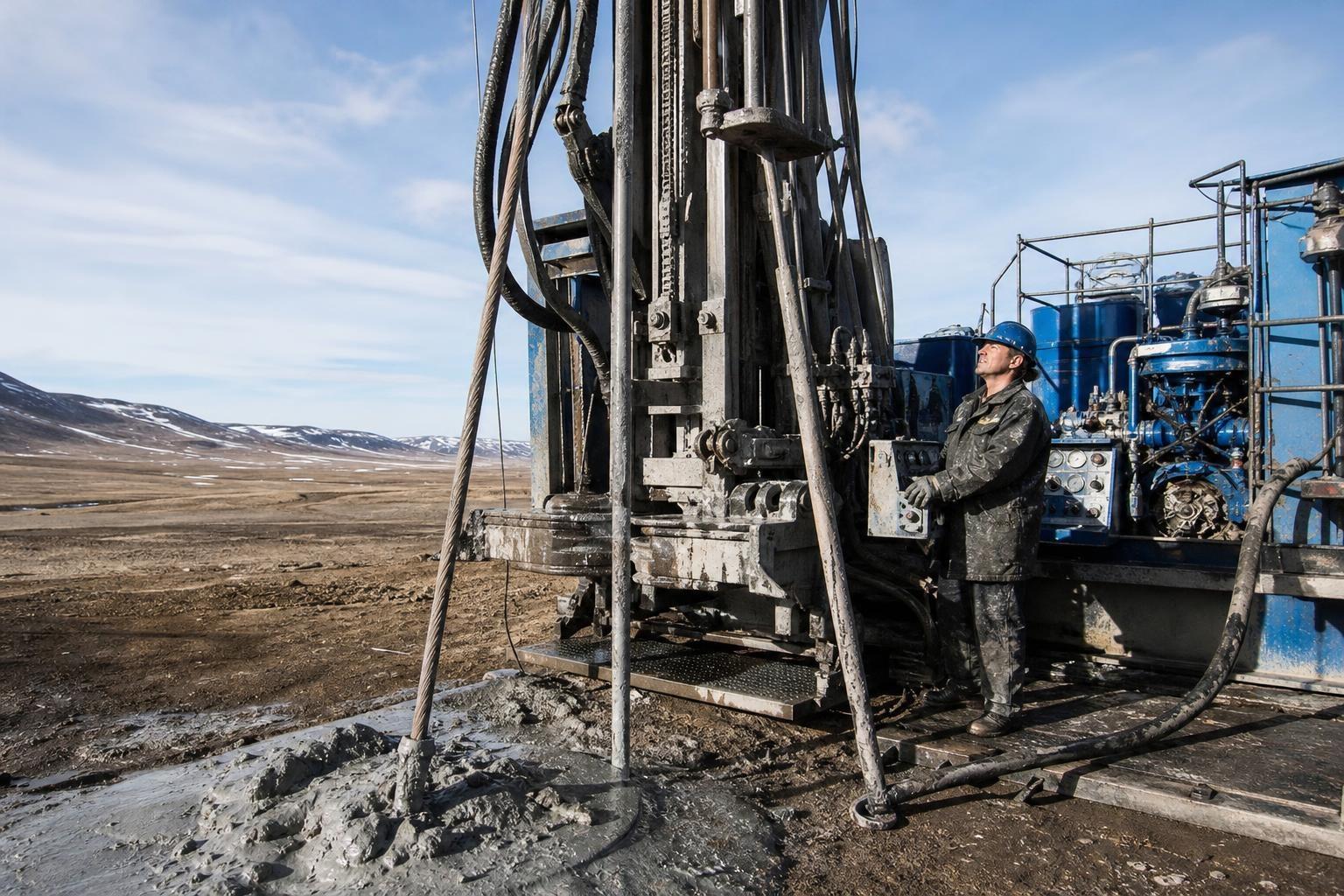
Beneath our feet, nature may be manufacturing clean fuel at a scale we’ve barely begun to imagine. For decades, the energy world looked to oil, gas, wind, and solar, while geologic hydrogen—often called “white hydrogen”—hid in plain sight. Now, new discoveries and bold estimates suggest that vast underground stores could deliver a steady, carbon-free energy stream for a very long time. “We’ve been looking in the wrong places with the wrong assumptions,” as one saying goes—and the map is quickly being redrawn.
What exactly is natural hydrogen?
Natural hydrogen is molecular hydrogen generated by the Earth itself and trapped in rocks, faults, or aquifers. Unlike green hydrogen, which is made by electrolyzers using renewable power, or blue hydrogen derived from methane with capture, white hydrogen simply occurs, migrating through crustal pathways until it accumulates in reservoirs.
Scientists see several engines at work: the reaction of water with iron-rich rocks (serpentinization), the radiolysis of water by natural radiation in ancient crust, and the breakdown of organic compounds under heat and pressure. “Nature is a chemist with infinite time,” a phrase that fits these slow, steady processes perfectly.
Why the sudden buzz?
Hydrogen burns to water, powers fuel cells, and can be stored for weeks or seasonal shifts—a rare feat among clean energy carriers. If the subsurface can provide hydrogen at scale, it could bypass the costly electricity and electrolyzer steps that burden green supply. That would mean cheaper molecules, round-the-clock availability, and lower land footprint compared with sprawling surface infrastructure.
“Abundance changes the conversation,” as many innovators like to say. With plentiful, low-cost hydrogen, sectors that are notoriously hard to decarbonize—like steel, shipping, and chemicals—gain a new pathway.
Where it forms—and where it’s been found
Clues are emerging from cratons, rifted basins, and ultramafic terrains where water-rock reactions likely run hot. Seeps have been reported on every continent, and at least one village in Mali has used a natural hydrogen well to power engines for years. In Europe, researchers have flagged deep accumulations beneath old mining regions, while exploratory drilling in the United States and Australia is picking up pace. Early surveys suggest many basins that never produced oil might still host hydrogen—a new kind of “prospective play.”
It’s still early, and every basin is different. But the pattern is compelling: where geology provides iron, fluids, and fractures, hydrogen can be made, moved, and stored.
How big could it be?
Here’s the careful part: resource is not reserve. Early assessments hint at enormous volumes, but only what’s technically and economically recoverable matters. Some geoscientists suspect that globally accessible quantities could be transformative; others caution that permeability, traps, and seals will limit what we can produce.
Two truths can coexist: the potential is staggering, and the uncertainties are real. Even a modest contribution—steady, scalable molecules at competitive cost—would reshape hydrogen’s role in the transition.
Economics, safety, and the footprint
Because nature supplies the molecule, operators might avoid the high capex and round-trip losses of electrolysis. Early cost models—still highly provisional—suggest production could land around or below today’s grey hydrogen in many regions. Surface impacts could be small, akin to a tight network of wells and pipelines rather than massive, land-hungry arrays.
Safety is different, not harder. Hydrogen is light, dispersive, and flammable; facilities need strict venting, sensing, and ignition controls. While hydrogen isn’t a greenhouse gas, leaked H2 can amplify short-term warming by interacting with atmospheric chemistry, so tight systems and robust monitoring are essential.
The tech stack to unlock it
Exploration will rely on geophysics, geochemistry, and smart drilling to find traps and quantify flux. Subsurface models must handle continuous generation and migration, not just static, oil-style pools. Downhole sensors, selective completions, and co-produced gases management will define the operating playbook. “Produce what the rock gives, but measure everything,” is a mantra many teams are adopting.
What to watch next
- Better resource mapping, early pilot wells, clear permitting rules, realistic cost curves, and rigorous leak/impact monitoring that earns public trust
A new chapter in the energy story
If Earth is quietly making fuel faster than we can use it, the implications are sweeping. Grid planners could count on firm, low-carbon supply to backstop renewables; heavy industry could swap fossil feedstocks without crippling costs; developing regions could leapfrog to indigenous, clean molecules. Skepticism is healthy, and data will decide the timeline. But curiosity, backed by field pilots and open science, may reveal an energy inheritance hiding in the crust.
“Sometimes the future is buried in the past,” goes the old line. This time, it might also be buried in the rock, waiting for the first wells to tell us just how big the story can get.
