
Permafrost, this vast natural freezer of the planet, is beginning to capitulate under the impact of climate change. As it melts, it releases viruses and bacteria that have slept for tens of thousands of years, with their virulence still intact. While experts rightly worry about the risk of human pandemics, an equally critical and widely overlooked threat emerges: the destruction of our food crops by ancient pathogens. The awakening of the “zombie viruses” is now an alarming reality.
What you will learn
How viruses tens of thousands of years old come back to life in the laboratory.
The tragic precedent of the Siberian anthrax bacteria that has already claimed victims.
The invisible danger facing our crops as ancient pathogens awaken.
Time-travelers with intact destructive power
The permafrost is turning into a genuine Pandora’s box. In 2022, French researchers from Aix-Marseille University achieved the feat of reactivating 13 viruses trapped in Russian ice, including a specimen aged 48,500 years. Contrary to common beliefs, these pathogens had not lost any of their potency. Once thawed and stimulated, they were perfectly capable of infecting cellular hosts, proving that time holds no dominion over their danger.
Far from being a mere lab curiosity, this resurrection sends a real-world alarm. With the acceleration of climate warming and the intensification of human activities in the Arctic, the encounter between these unknown viruses and modern hosts becomes an increasingly likely event. It is no longer a hypothesis: in 2016, in Siberia, thawing permafrost released spores of the anthrax bacterium, causing the death of a child and the sacrifice of more than 200,000 reindeer.
The potato, a new collateral victim
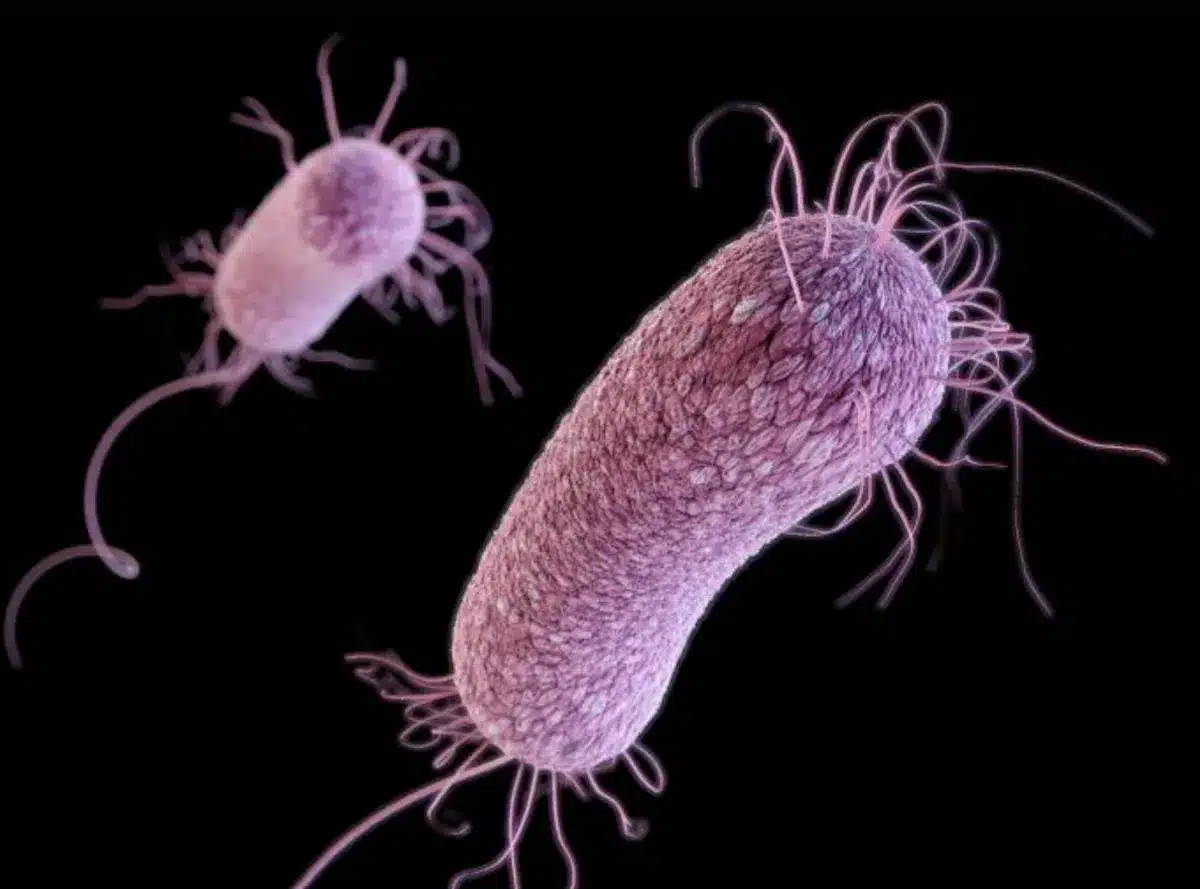
While human pandemics occupy everyone’s thoughts, another more insidious threat weighs on our food security. Scientists from the Korean Polar Research Institute highlighted an unexpected danger: the proliferation of Pseudomonas. This bacterium, responsible for the soft rot that turns potatoes into a formless mush, multiplied rapidly as thawing samples collected in Alaska were processed.
The risk extends far beyond the potato. Ice carrots from Greenland revealed the presence of the Tomato Mosaic Virus, aged 140,000 years. Extremely resilient, this pathogen is capable of decimating a wide range of crops, including cucumbers, bell peppers and beets. As milder temperatures push agriculture further north, farmers may well find themselves facing enemies they believed had disappeared for millennia.
A boon for ancient microbes
The twenty-first century is witnessing an unprecedented migration northward. As thawed soils become exploitable, human activities move dangerously close to these millennial microscopic reserves. What is perceived as a boon for agricultural expansion could, in reality, provide fertile ground for pathogens that have patiently waited for their moment beneath the ice.
The danger is twofold: our immune systems, just like our current plant varieties, have never faced these ancestral variants. Faced with this invisible threat, surveillance must no longer be limited to respiratory viruses. The challenge now is to understand what other pathogenic secrets lie dormant beneath our feet, before thawing turns these time capsules into a major global crisis.
Article prepared with the help of an AI · Our method
