The blue whale, the largest animal on Earth, possesses extraordinary proportions: its tongue alone would weigh as much as an African elephant…
The African Elephant, the heaviest land animal on Earth
The African elephant (Loxodonta africana), a species today threatened, is a mammal belonging to the elephantidae family. The pachyderm would to date be the heaviest land animal, its weight able to exceed five tonnes. In the marine realm, it is the blue whale that takes this title.
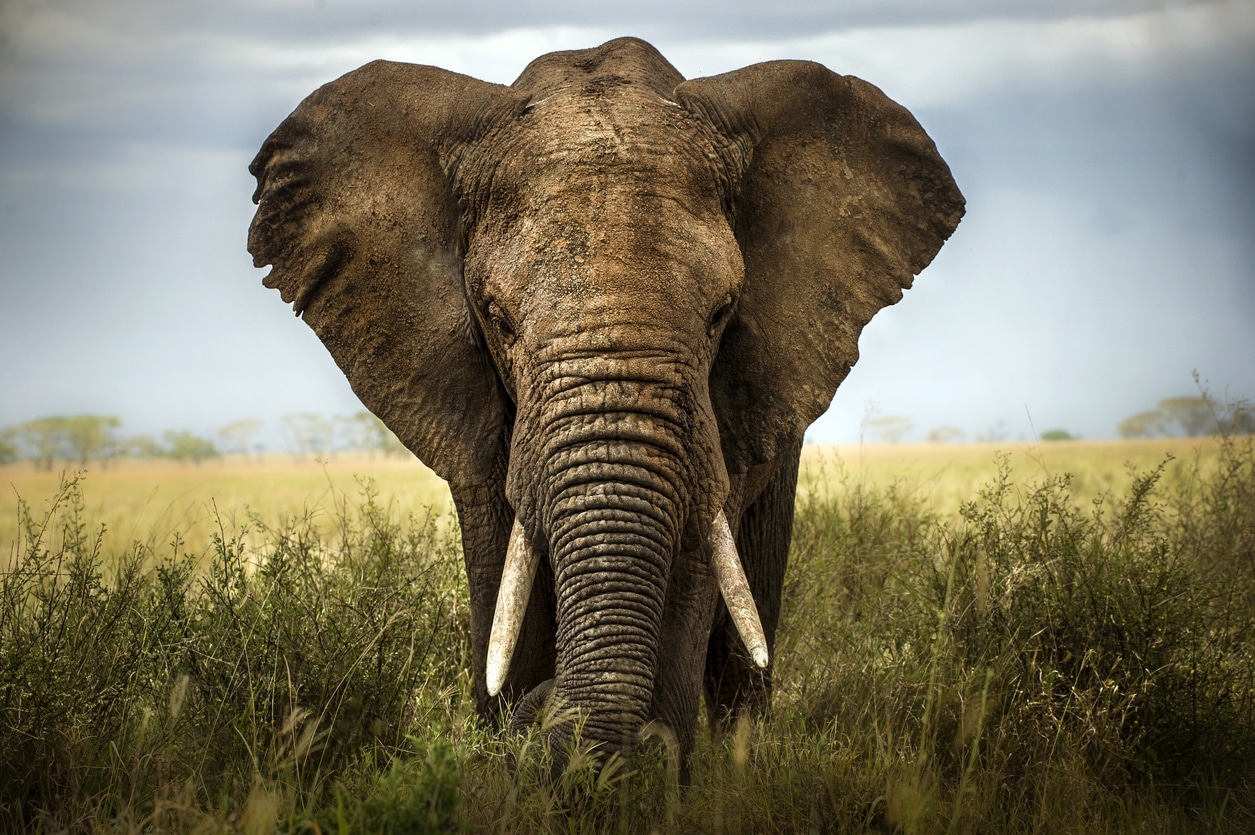
The African elephant is distinguished by its large ears, its thick, wrinkled-looking skin, ranging in color from brown to gray. Some bulls can reach a height of 4 meters at the shoulder for a weight of nearly 6 tonnes. The female, for her part, typically weighs between 2.7 and 3.5 tonnes.
This elephant species lives in the savannas, forests, wetlands and semi-desert regions of sub-Saharan Africa.
A female leads the herd
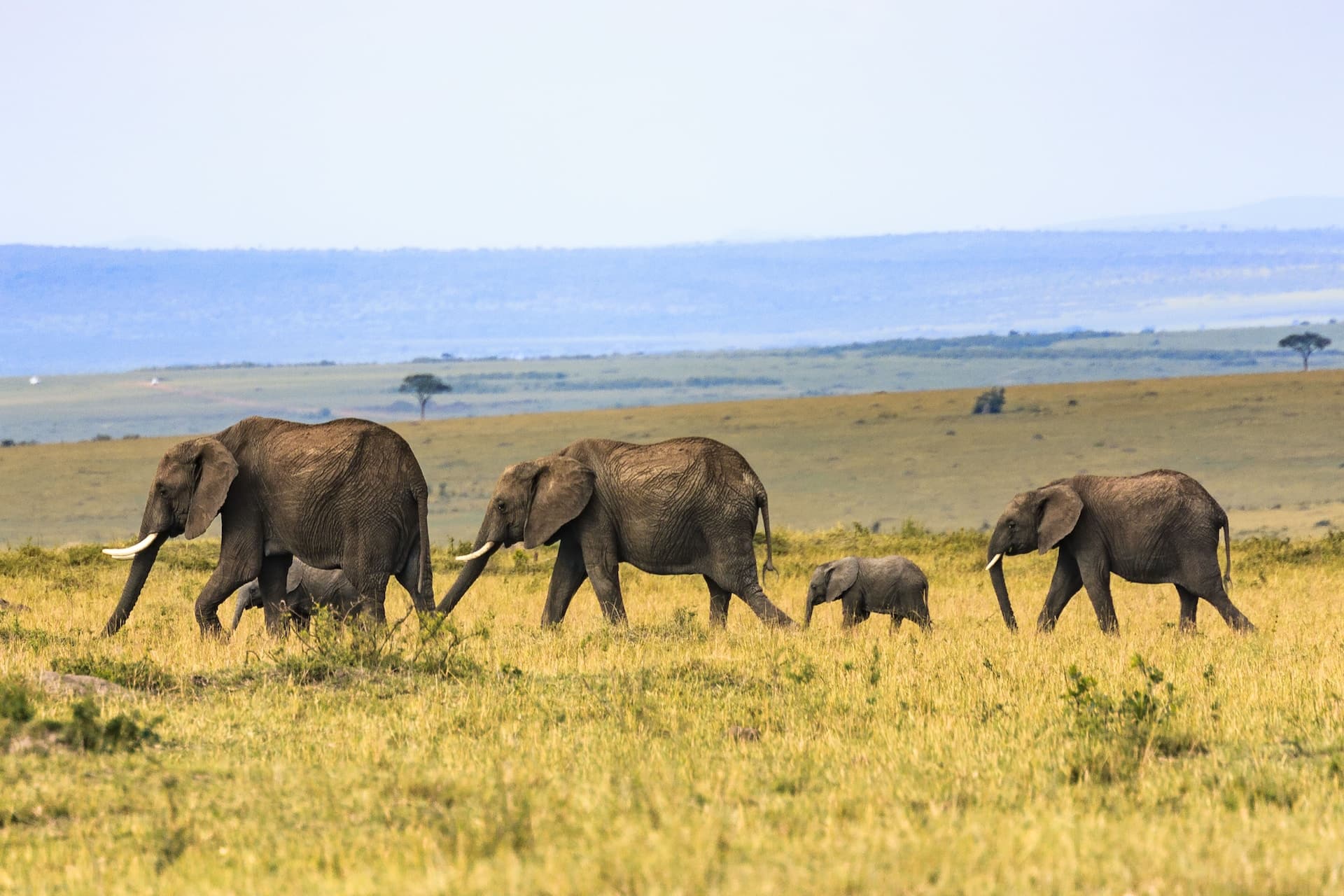
African elephants live in social groups, herds typically led by an older female, the “matriarch.” The animals are known for their intelligence, memory, and communication techniques consisting of vocalizations, visual signals, and vibrations felt on the ground.
An endangered species
Several threats hang over the African elephant, notably poaching for its ivory, loss of habitat, and conflicts with humans. Despite these threats, numerous conservation efforts are underway to protect this endangered species.
The blue whale, a colossal marine mammal
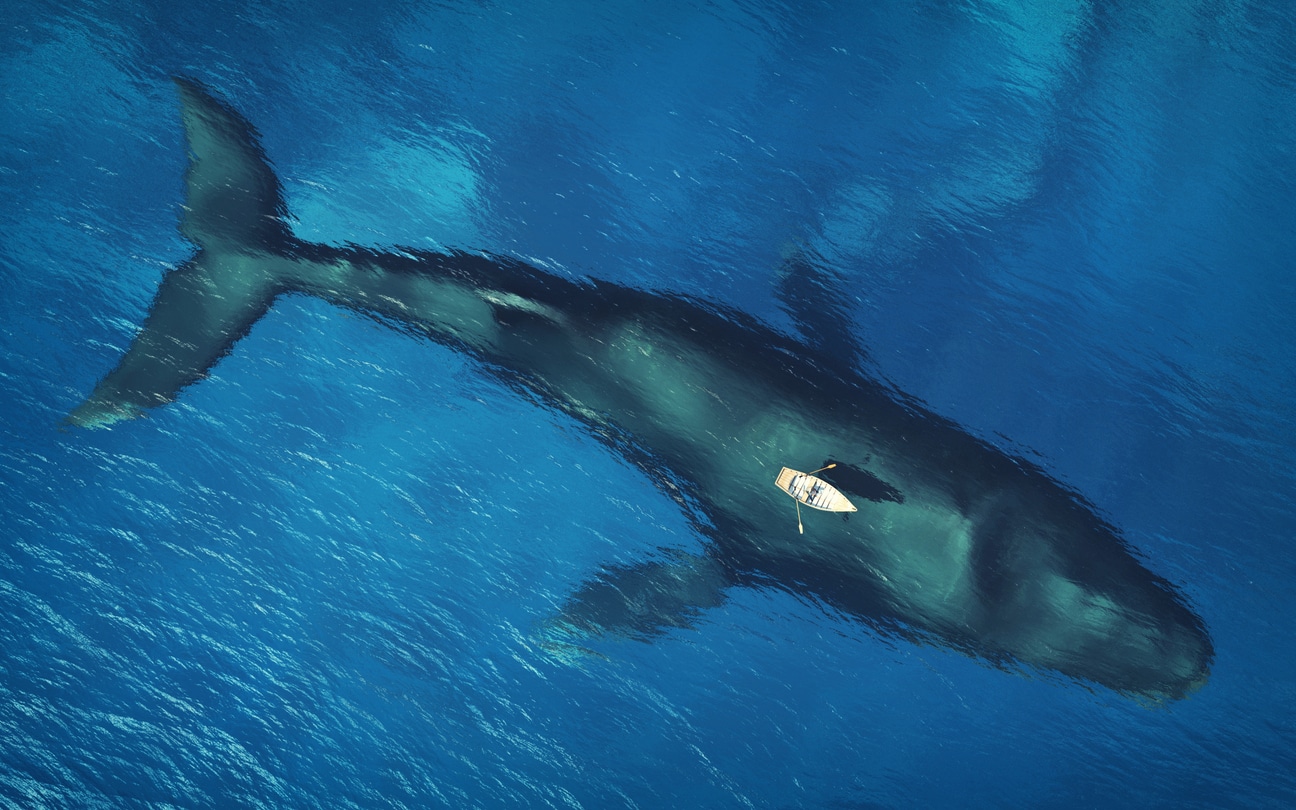
The blue whale (Balænoptera musculus), or “blue whale,” is a species of cetaceans in the family Balaenopteridae. This marine animal spans roughly 27 meters in length with a weight that can exceed 150 tonnes. Because of its impressive dimensions, it is the largest living animal and the largest that has ever lived on Earth (or rather in the sea).
Despite its colossal size, the blue whale feeds almost exclusively on krill, a tiny crustacean.
Like the African elephant, the blue whale is threatened
For nearly forty years, blue whales were hunted by whalers, driving the marine animals to the brink of extinction. It would take until the 1966 for the International Community to grant the blue whale protected status.
A 2002 report estimated that at that time there remained between 5,000 and 12,000 blue whales worldwide. In 2018, the IUCN (International Union for Conservation of Nature) estimated the blue whale population to be between 5,000 and 15,000 individuals.
The weight of the blue whale’s tongue equals that of an African elephant
If a female African elephant weighs between 2.7 and 3.5 tonnes, that is also the average weight of a blue whale’s tongue, estimated at 2.7 tonnes! Its vital organs, however, are no less remarkable, the cetacean’s heart weighing more than 150 kilograms and a liver of about one tonne… Absolutely extraordinary proportions.