
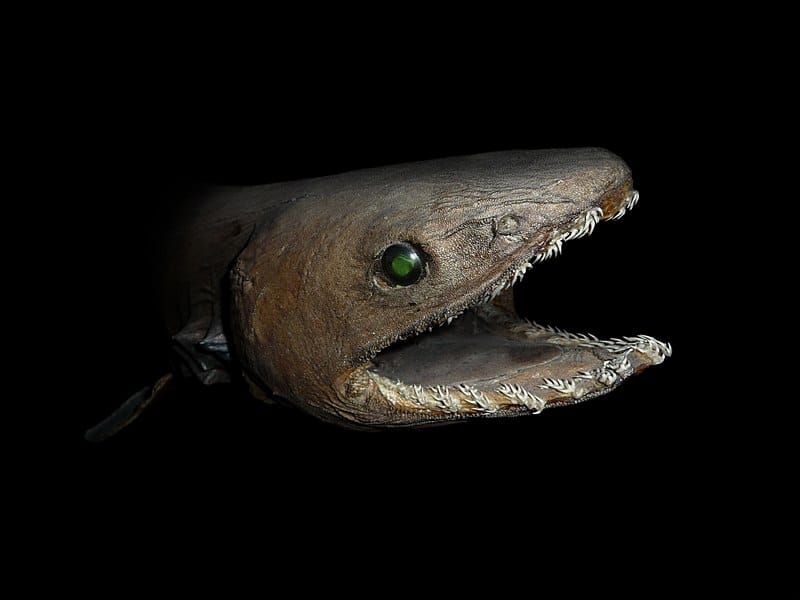
The bathypelagic zone, or the “midnight zone” of the oceans, is defined by an almost total lack of light. An American research institute sent a team there to explore it and collect representative creatures of the local fauna.
A Rare Expedition
Between 1,000 and 4,000 meters below the surface, the bathypelagic zone remains shrouded in near darkness. With no living plants to anchor a food chain, the fauna survive by predation or by feeding on the “marine snow”—detritus that drifts down from the upper layers. As highlighted by the New York Times in a September 22, 2020 article, the Monterey Bay Aquarium Research Institute (Mbari) organized a notably uncommon expedition to this environment.
Aboard the exploration vessel Rachel Carson, institute staff and aquarists ventured into the depths of Monterey Bay’s submarine canyon. According to the aquarium’s breeding supervisor, Paul Clarkson, the goal was to locate creatures that were not only visually striking but also truly representative of the local fauna.
The reality is that bathypelagic creatures live under immense pressure. Their bodies and physiologies are adapted to the pressure exerted by thousands of meters of water above them. When these creatures are brought back to surface conditions, they essentially lose their form. Indeed, atmospheric pressure is insufficient to maintain their original shape.
Recreating a Similar Ecosystem
During five hours of diving, the underwater robot Ventana’s arm captured all sorts of creatures. Among them were worms, sponges, starfish, and nudibranchs. The researchers’ objective is to build inside the aquarium a true ecosystem resembling the bathypelagic zone. Yet this poses a genuine technical challenge, given that the ambient temperature there hovers at only 4°C and the pressure can exceed 350 kg/cm². Consequently, the aquarium opts not to reproduce that extreme pressure and instead selects species that tolerate surface conditions well.
