
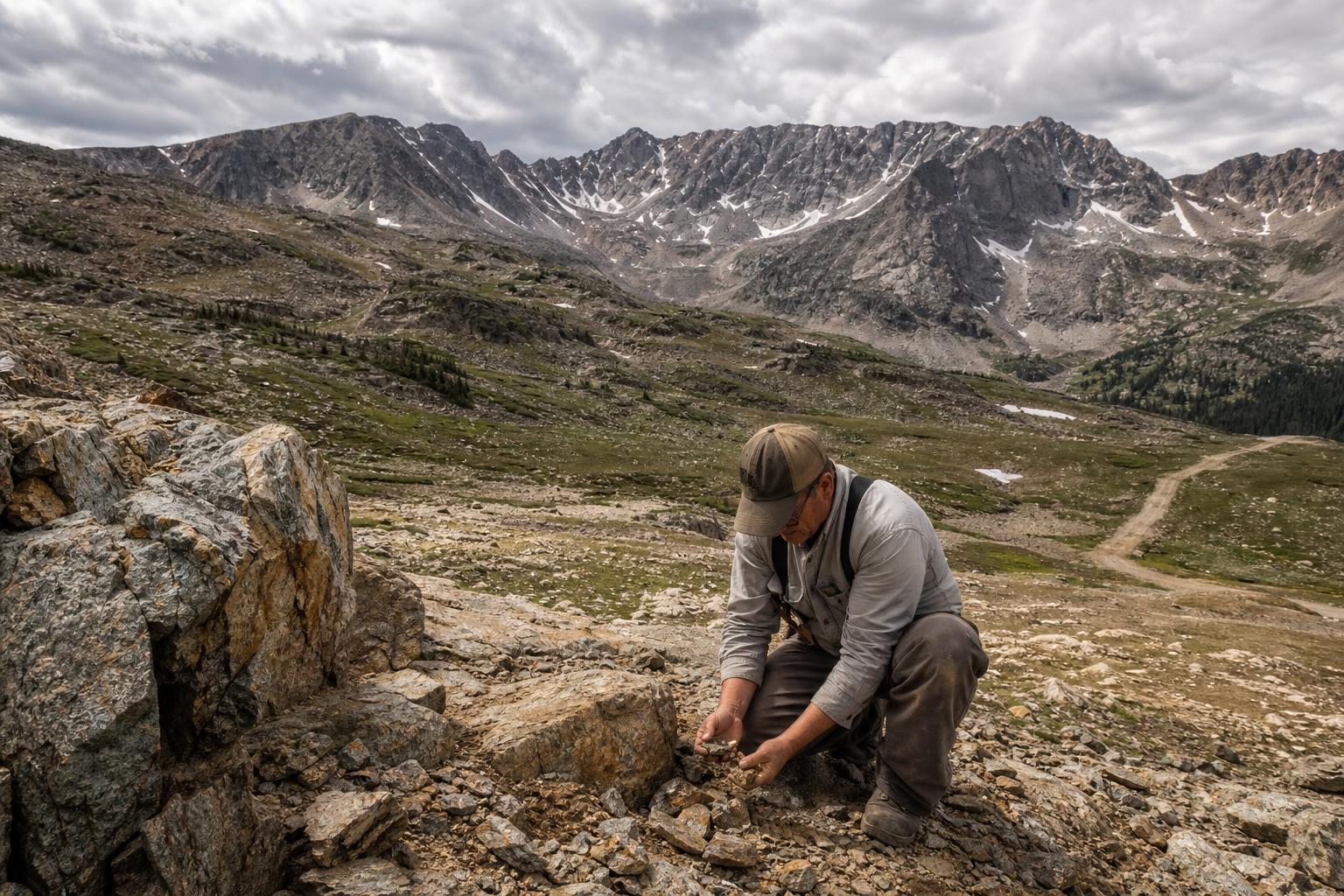
The rumor has long circled the high, wind-carved plateaus: beneath these granite spires lies a fortune written in metal. Not gold, not silver—something both rarer and harder to tame. Explorers whispered, geologists mapped, miners drilled, and a deeper story took shape about a subsurface realm where heat, pressure, and time braided wealth into the rock.
“It’s a geological syllable so loud you can almost hear it,” one field geologist told me, boot soles crunching on talus. “A seam of possibility, sitting in the dark, waiting for a plan.”
The rock archive below
Under these highlands, a vast igneous body cooled slowly—so slowly that metals could sort themselves, layer by layer. That patient cooling is why the ore here is unusually consistent, and why explorers keep returning to re-check their assumptions as prices and technology evolve.
The layers act like pages in a manual, each revealing where platinum and palladium drifted when the magma stirred. “Think of it as a giant slow cooker,” another expert said, “simmering for eons, until the flavor was perfect.”
Why these metals matter
Both metals occupy a narrow but powerful niche in modern life. They catalyze, conduct, and refuse to give in to corrosion. Their beauty is incidental to their utility, which is why demand often spikes before the public even notices.
- In auto catalysts and next-gen hydrogen systems, they help strip toxins from exhaust and accelerate cleaner reactions.
In a world chasing efficiency, these metals are tiny workers—quiet, relentless, and nearly irreplaceable in the settings that matter most.
The tug-of-war above ground
All that potential sits below alpine lakes and glacial cirques, across lands with deep cultural meaning and fragile ecology. “You can’t mine a mountain without touching its soul,” a local guide told me. The phrase hung in the air, sharp as the altitude.
Exploration crews arrive with permits, models, and elaborate promises. Communities counter with questions that are simple, direct, and urgent: How safe is the water? Where will the waste go? Who will be accountable in twenty years?
Engineering the impossible
Modern mining here is a study in constraint: thread the ore like a needle, breathe gently on the ecosystem, and keep the tailings disciplined. Underground methods reduce the surface footprint, but they demand ventilation, geometry, and a choreography of machines and people within a mountain’s lungs.
“Every tunnel is a thesis, and the rock gives its review,” an engineer quipped. In this place, the word safety is not a sign on a wall—it is an hourly choice.
Markets write the tempo
The price of palladium can sprint on speculation; platinum can sag under oversupply, then soar on policy shifts. A single innovation—a new membrane, a better catalyst, a cheaper alternative—can pull the rug or lay a carpet.
Investors read charts; miners read cores; communities read the river. Each text has its grammar, and each expects to speak first. “You can’t build a future on yesterday’s assumptions,” a trader murmured, eyes on a glowing screen.
Stewardship as strategy
The only mines that last are the ones that listen. Water must be monitored, waste must be walled, and commitments must be audited as if the mountain keeps score—because it does. Regulators now expect proof, not promises, and the smartest operators welcome the test.
Real transparency means baseline studies before the first blast, and data shared with neighbors who can smell a shortcut a mile away. It also means reclamation plans that begin on day one, not after the last truck rolls out.
People in the loop
For workers, this is craft and livelihood, a living of measured risks and practical ingenuity. For nearby communities, it is identity, health, and a long memory of booms that went bust. The only stable path is a compact that places benefits where the dust settles.
“Share the upside, share the truth, and share the timeline,” a county official told me. “That’s not just politics—it’s trust.”
What endures
Beneath the snowfields, metal waits with geologic patience. Above, the debate stays human, present tense, and imperfect. If there is a lesson here, it is that value is not only dug—it is earned in relationships, year by year.
This seam could power cleaner engines, sturdier grids, and a more resilient supply chain. It could also test our ability to balance appetite with restraint, and progress with place. The story is long, the stakes are high, and the mountain, for now, is listening.
