
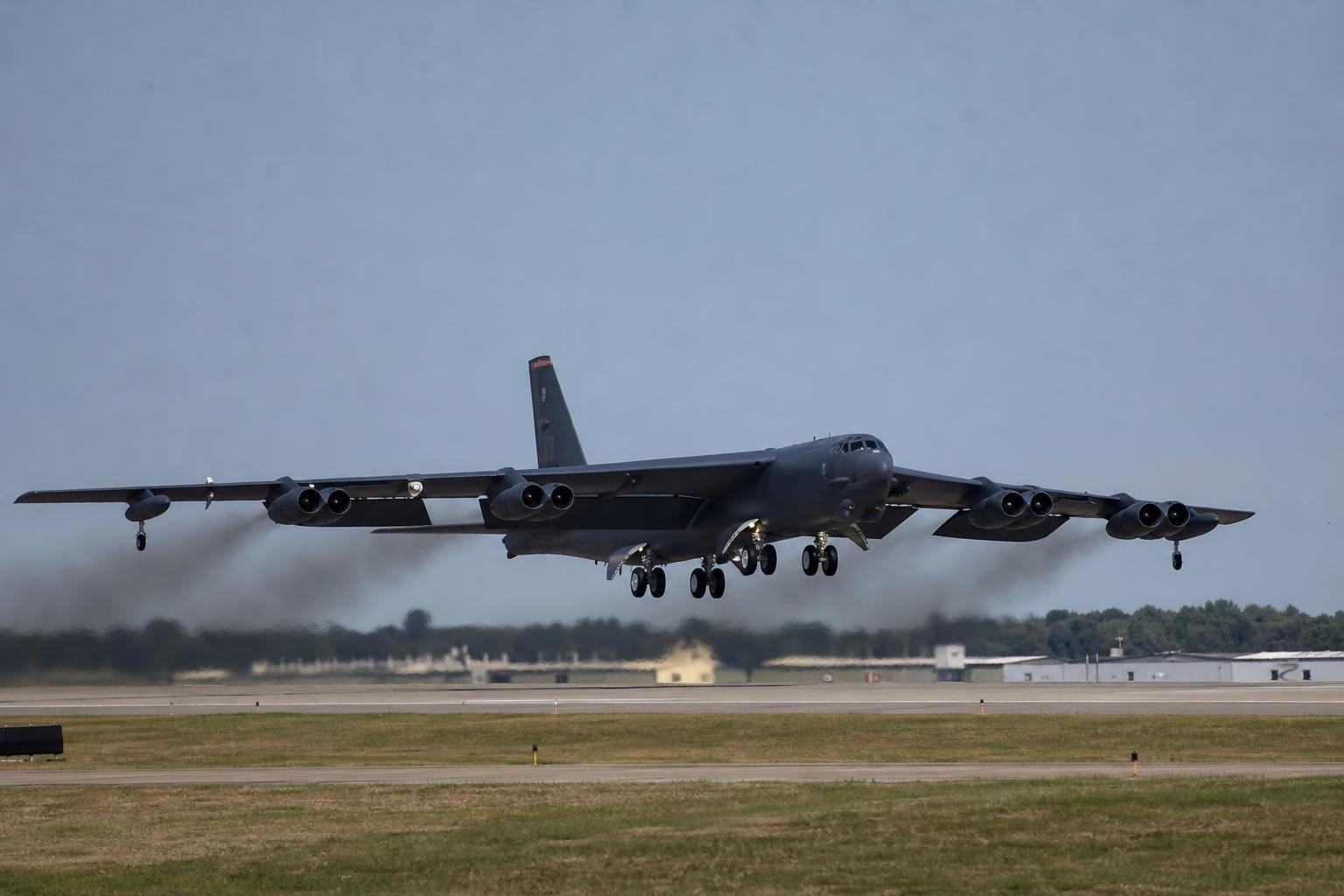
It’s rare for a combat aircraft to span generations, rarer still to remain relevant. The B-52 is that paradox: a machine born from the Cold War that keeps adapting, absorbing new missions, and staying one step useful ahead of retirement forecasts that never quite arrive.
Why a 20th‑century bomber still matters
The airframe was built for endurance, not flavor‑of‑the‑decade flash. Its generous wings, ample internal volume, and forgiving aerodynamics make it a perfect host for new systems. “Airplanes age in metal, but warfare ages in software,” as one veteran maintainer likes to say. That’s the B-52’s quiet advantage.
Its mission is standoff more than break‑in. The aircraft launches long‑range weapons from safe distances, letting modern munitions do the penetrating. In that role, speed is a nice‑to‑have, persistence is a must‑have, and the B-52 has persistence in spades.
Inside the great mid‑life reboot
The bomber’s latest upgrades are less facelift, more re‑engining and re‑wiring of its future. New Rolls‑Royce F130 engines promise better fuel efficiency, longer time on station, and simpler maintenance. The cockpit sheds vintage gauges for modern displays, reshaping crew workflow and sharpening situational awareness.
Sensors are getting a refresh as well, with a modern radar and digital backbones that make integration quicker. “Think of the jet as a flying adapter,” one program engineer remarked. “You plug in new weapons, new electronic warfare, new software—and the airplane just works.”
What it carries defines what it is
The B-52’s reputation for payload isn’t just folklore; it’s central to its survivability. When a bomber can sling dozens of smart weapons or several very long‑range missiles, it shapes a fight from afar and then leaves. That’s deterrence by reach, not by presence over target.
Its catalog includes precision bombs, maritime strike missiles, and stealthy cruise weapons. Nuclear tasks remain in carefully guarded background, while conventional missions fill most calendars. The bomber is a truck, yes—but an exquisitely programmable one.
Longevity by design, economy by necessity
The B-52 doesn’t pull high‑G maneuvers, which helps the airframe age gracefully. Its structure spreads loads across a vast wing, and the maintenance community knows every rivet by name. “Steel doesn’t mind birthdays,” a line chief once joked. “It minds cracks you don’t catch.”
There’s a budgetary truth here, too: upgrading a paid‑for platform can be cheaper than fielding a fleet of brand‑new airframes. You keep the skeleton, replace the organs, and teach it new tricks. The result is a familiar aircraft with unfamiliar capabilities.
Where it fits in a stealth era
Stealth aircraft are about entry, opening doors others can then use. The B-52 is about volume, persistence, and orchestrating salvos from unreachable angles. In a high‑threat environment, it’s the conductor offstage, timing waves of weapons and coordinating with space, cyber, and sea power.
That interplay is the modern formula: stealth breaks the lock, standoff piles on the costs, and networks tie the threads together. The B-52 thrives when it’s not alone.
What keeps it relevant—at a glance
- Massive payload for diverse, long‑range, and future weapons
- Airframe volume and power for new sensors and electronic warfare
- Global reach and on‑station time that multiplies deterrence
- Mature logistics and well‑understood maintenance
- Economical upgrade path compared with wholly new designs
Culture, crews, and the rhythm of persistence
Crews train to be patient, precise, and relentlessly coordinated. Long missions demand discipline more than bravado, and systems management more than stick‑and‑rudder flair. “You don’t win with sudden moves,” a former aircraft commander once said. “You win by never being out of the fight.”
That culture values checklists, calm communication, and the craft of staying ahead of a complex jet for hours on end. It’s not cinematic, but it’s deeply professional.
The road into the 2050s
The coming decade will cement the B-52’s second act. New engines, modern radar, refreshed defensive systems, and software‑defined avionics will align the bomber with 21st‑century command and control. Expect expanded datalinks, smarter weapon pairings, and tighter integration with joint and allied forces.
Will it face new threats? Absolutely. But the design’s secret is elasticity. If the mission demands longer reach, it adds longer‑reach weapons. If the threat tightens, it leans on stealthy teammates, electronic attack, and space‑enabled targeting. The airplane that once symbolized nuclear standoff now embodies a broader idea: a durable, upgradable platform that lets strategy keep moving.
“Longevity isn’t an accident,” an engineer noted during a test brief. “It’s what happens when you build for capacity, then keep feeding it new ideas.” That, more than nostalgia, explains why a bomber born in another century still earns a seat in the next.
