
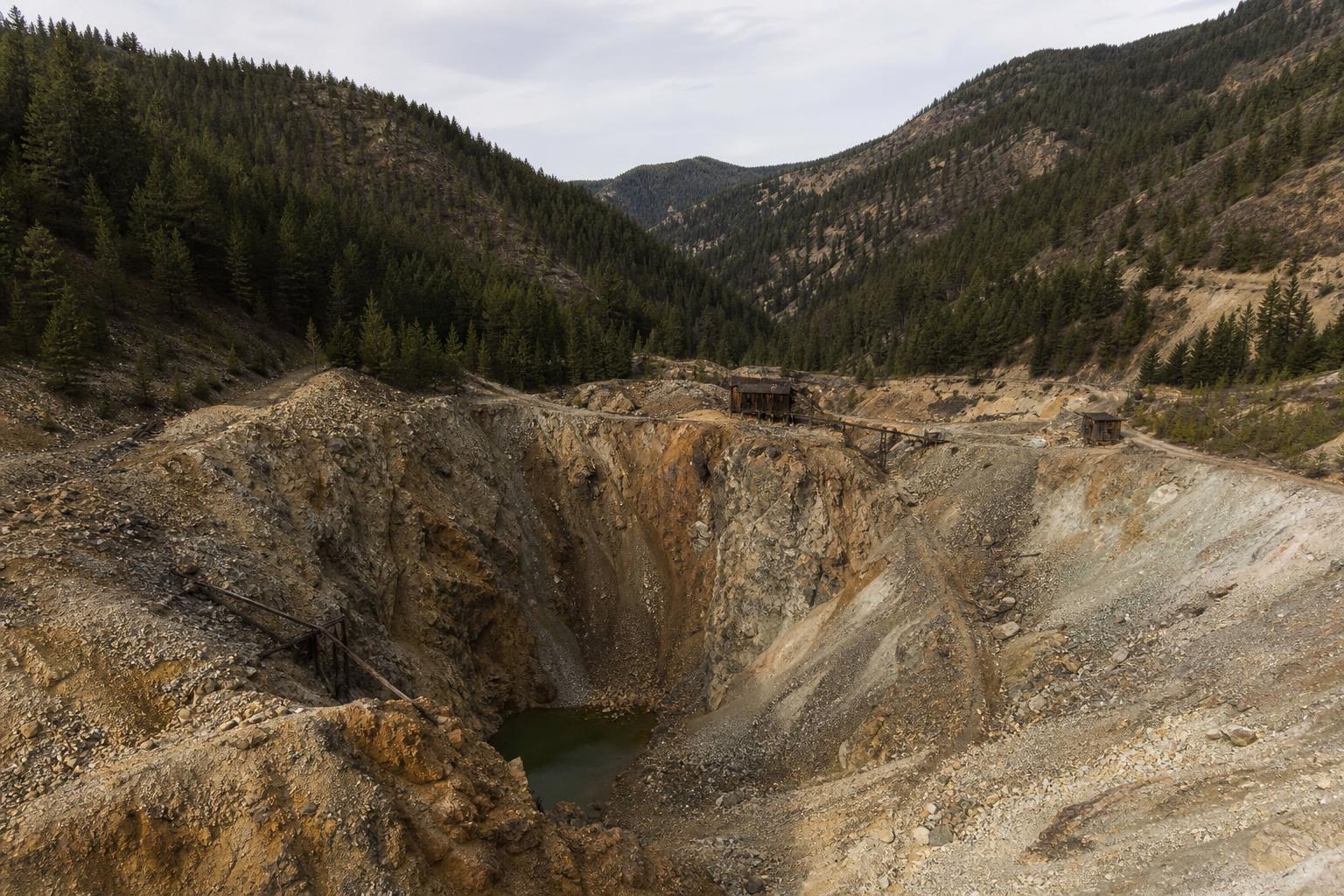
A narrow corridor in northern Idaho has poured out more than 37,000 tonnes of silver since the 1880s, and the veins still whisper promise beneath the pine-clad ridges. For generations, the towns along this valley have risen and fallen with the ore, carrying stories of courage, catastrophe, invention, and endurance. “The rock always has more to say,” miners like to mutter, shouldering drills into the dark and listening for the answer in the ringing quartz.
Where the lode runs deep
The geology here is a patient architect, stacking hard quartzite and slate and then crumpling them into faults that trapped silver-rich fluids. Through those breaks, shimmering veins of argentiferous galena, tetrahedrite, and sphalerite stitched themselves through the mountains. The district’s structure is a labyrinth, and that complexity is exactly why the metal keeps turning up in unexpected pockets.
“High-grade shoots don’t announce themselves,” a veteran geologist once said, “they reward careful mapping and stubborn luck.” Depth, geometry, and pressure conspired to make this a world-class silver district, where grades could spike like a heartbeat and then fade into stubborn lean rock.
Towns built on ore
In the late 19th century, prospectors followed glittering float into the timbered gullies, and tent camps hardened into towns with smelters, rail lines, and shift-whistles that set the clock. Names like Bunker Hill, Sunshine, Lucky Friday, and Galena became shorthand for fortune and risk, their paychecks echoing through saloons, schools, and union halls. The world called for silver, lead, and zinc, and this valley learned to answer with ore cars and ingots.
By the mid-20th century, this belt had produced over a billion ounces, feeding coinage, wiring, mirrors, and munitions for wars and booms. “The mine isn’t just a workplace,” locals still like to say, “it’s the heart under the floorboards of the whole town.”
Triumphs and tragedies
No great lode comes without cost, and the ledger here holds both staggering yields and stark loss. Early labor wars echoed off the headframes, and disaster occasionally turned day shift into night. The Sunshine Mine fire in 1972, remembered with fierce clarity, took 91 lives and changed safety culture forever. From that grief came hard-won progress in ventilation, training, and rescue gear that miners still rely on today.
“Safety isn’t a rulebook,” an old foreman liked to say, “it’s a reflex you build while the cage is dropping and the air gets thin.” Those reflexes now ride with every crew, from collar to stope, shift after shift.
The modern face of mining
Today, operations run deeper, smarter, and more surgically than their early ancestors. Lucky Friday still cuts and hauls at depths beyond a mile, while the Galena Complex keeps chasing veins with new methods and geophysics. The storied Bunker Hill mine is working toward restart, a symbol of what heritage and modern capital can attempt when the market points the right way.
Remote-operated loaders, paste backfill, and ventilation-on-demand have turned brute force into targeted craft. “We mine more selectively now,” say shift bosses, “chasing ounces where the veins justify the risk.”
Cleaning what history left
The same century that minted wealth also spilled waste, and the basin paid in contaminated soils and streams. Smelter stacks once pushed lead and zinc into the air, and tailings rode snowmelt toward lakes and rivers. The region’s Superfund cleanup has become a parallel industry, swapping picks for excavators, and ore cars for lined cells.
Crews cap old heaps, rebuild creek beds, and treat mine water that rises through ancient workings. It’s painstaking, incremental, and essential, turning legacy burdens into lessons that shape modern permits and community trust.
Why the ground isn’t done giving
What keeps this district alive is not nostalgia but geology and price signals. Veins here often extend deeper than early equipment could safely or cheaply reach, and new imaging tools sketch structures once left to instinct. Downhole geophysics, tighter drilling, and 3D seismic hints tease out the next wave of targets, turning blind search into guided hunting.
Silver’s role is also changing, snapping into clean-energy supply chains for solar cells, EV electronics, and high-reliability solder. As energy systems grow more electrified, silver’s conductivity and durability keep it on critical-materials lists, tilting exploration budgets toward deeper tests.
What comes next
The valley’s future will hinge on a few disciplines practiced with unusual discipline:
- Smarter targeting and selective mining that leaves less waste
- Continuous environmental remediation paired with transparent monitoring
- Workforce renewal through training, apprenticeships, and safer equipment
“Booms come and go,” a museum docent likes to laugh, “but the rock and the people have learned how to bend, not break.” That resilience is the quiet engine under this place, humming in hoist rooms and core shacks, in classrooms and council meetings, in labs where new circuits demand ever-better metals.
Walk the ridgeline at dusk, and you’ll hear the soft rumble of air moving through unseen shafts, the valley’s breath drawn from a century of work and a future still being mapped. Down below, the next drift is chalked onto the wall, and someone is lacing boots, setting steel, and betting on the enduring logic of rock meeting will.
