
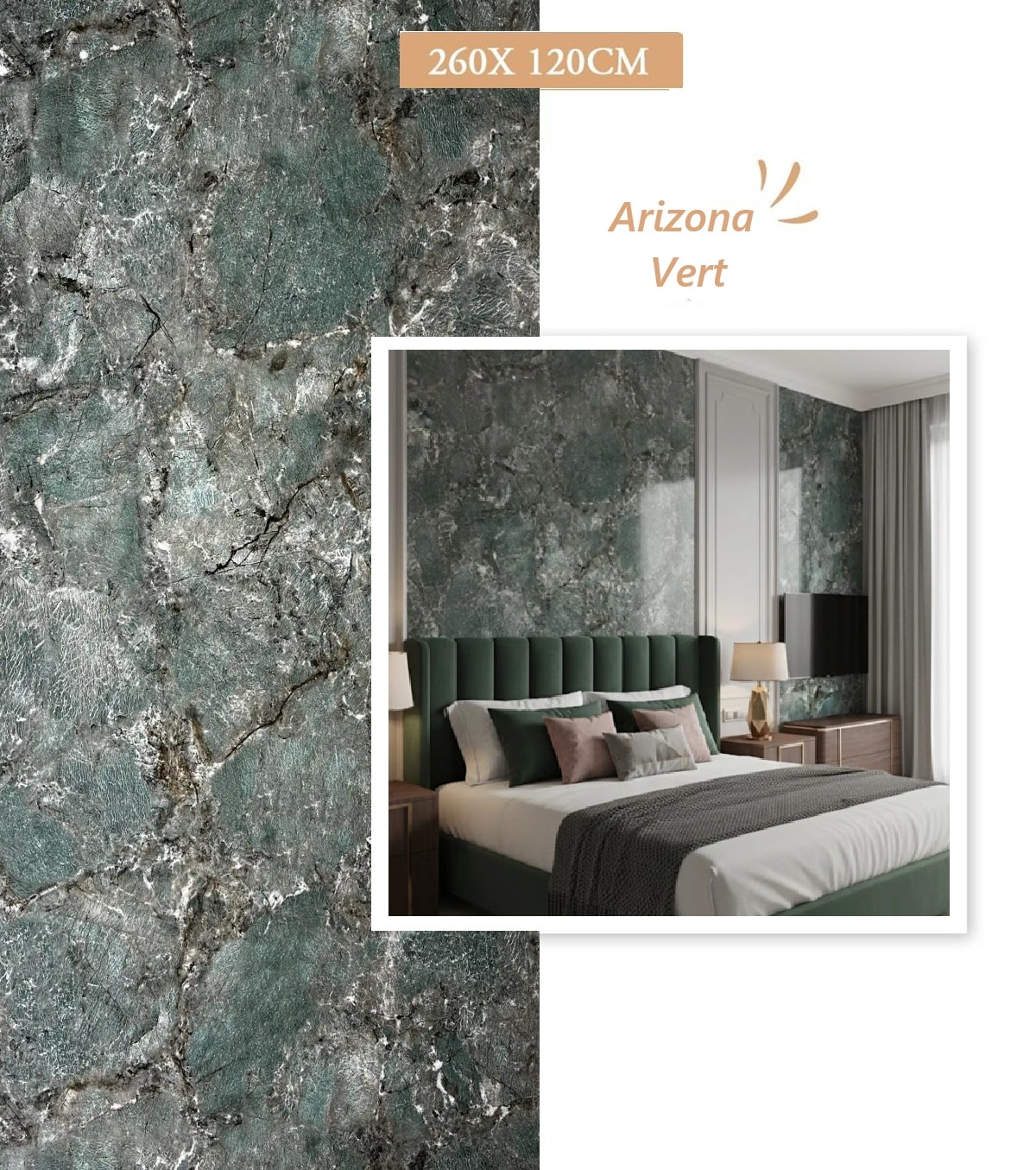
An outdated bathroom tile no longer requires chiseling it out. A whole generation of coverings can now be placed directly on the existing surface: no rubble, no dust, no weeks without a shower. Still, you must choose the right solution — not all options are equal in durability or appearance. An honest comparison of the options that actually work.
Why you no longer need to break the existing tile
Removing wall tile is the most thankless task in a renovation: loud demolition, debris disposal, re-plastering, and often surprises behind the porcelain. By covering rather than breaking, you save several days of work and a substantial portion of the labor budget — the old tile simply becomes a flat, solid substrate, ideal for a glued installation. It’s also the approach best suited for bathrooms that are used daily: the room remains usable during the work, something no demolition can offer. The only condition: a healthy backing, with no loose tiles or active infiltration.
The compared solutions, from the most durable to the fastest
The large-format waterproof wall panel
This is the most advanced solution. A large-format bathroom wall panel, 260 × 120 cm, covers an entire wall in a single installation, from bottom to top, with joints or nearly none. Marble, travertine, or concrete decors, total waterproofing, easy maintenance with a soft cloth: it’s the option that truly transforms the space, including as an Italian-style shower screen. Budget about half a day per wall for a careful DIYer.
Adhesive splashback and self-adhesive mosaic
For targeted areas — sink splashback, a strip above a cabinet — self-adhesive mosaic or natural stone panels offer a quick makeover, without glue or tools. Less suitable for wet surfaces than a panel, they excel as decorative touches and for rentals, because they remain reversible.
Tile paint and epoxy for tiling
The most economical solution, provided you accept its limits: meticulous surface preparation, finish that remains the appearance of the original tile layout (the joints remain visible), and only moderate durability in the areas most exposed to water. A good cosmetic fix, rarely a definitive solution for a shower.
How to choose the right option for your wall
Before ordering, ask yourself four questions in this order:
- Is the area prone to splashing? Showers and around-the-bath areas require a 100% waterproof finish, hence the large-format panel;
- What look are you aiming for? Textured effect (marble, stone, concrete) → panel or decorative tile; simple refresh → paint;
- How much time do you have? One day → adhesive or panel; a weekend → complete bathroom with panels;
- Is the backing sound? Tiles that sound hollow or signs of damp: treat first, then cover.
One final precaution that avoids many disappointments: order a sample before choosing your decor. The feel of marble veining or stone texture in hand is nothing like a photo on a screen, especially under the bathroom’s particular lighting, which is often cooler than the rest of the house.
Shoping with a specialist rather than a generalist
The difference is less about the product and more about everything surrounding it: truly full-height formats, matching finishing profiles, appropriate adhesives, and solid installation guides. French brands specialized in wall coverings like ByMyDeco build their range around this logic — large-format panels, natural stone slabs, adhesive backsplashes, and coherent installation accessories — where DIY chains juxtapose disparate references. For a wall you’ll look at for ten years, the detail matters.
The essentials to remember
Covering rather than breaking is no longer a compromise: it has become the most rational method to renovate bathroom walls. Waterproof wall panel for wet zones and full walls, adhesive for decorative touches, paint for tight budgets — and in all cases, a clean substrate, a suitable glue, and a sample ordered before making a decision. Your 1990s tile can disappear this weekend, without a single tile falling.
👉 A small gesture for Space Group? Follow us on Google, add us to your favorites, and find us on Google News so you don’t miss any discoveries.
