
Across a high basin in Utah, a shimmering stand of quaking aspens hides a secret. What looks like a forest is actually one organism: tens of thousands of trunks, all genetically identical, all connected by a single living root network. Known as Pando, this organism weighs roughly 6,000 tonnes, spreads over 43 hectares, and is slowly fading—not from chainsaws or fire, but from the steady appetite of deer.
A forest that is one
Each upright aspen you see is a stem, not an independent tree. Below ground, a vast web of roots sends up new shoots—“suckers”—that grow into tall, white-barked trunks. Every stem shares the same DNA, the same timing, the same blazing gold in autumn. It is a single being, copied outward by time and persistence.
Scientists call this a clonal colony, but the word “colony” undersells its quiet cohesion. “It’s not a forest, it’s a single organism that happens to wear many faces,” one researcher likes to say. Step inside and the air feels both familiar and strangely continuous.
Age measured in patience
Pando’s age is uncertain, but it likely spans millennia. Some estimates reach several thousand years, a biography written in seasons and scars. It contains upward of tens of thousands of stems, anchored to a single, ancient root. Weight is tallied not just in wood, but in water, soil ties, and stored carbon.
The organism’s size—about 43 hectares, or 106 acres—makes it one of Earth’s most massive lifeforms. Its presence shapes shade, moisture, and wildlife habitat, hosting birds, insects, and understory plants that thrive beneath trembling leaves.
A slow hunger at the edges
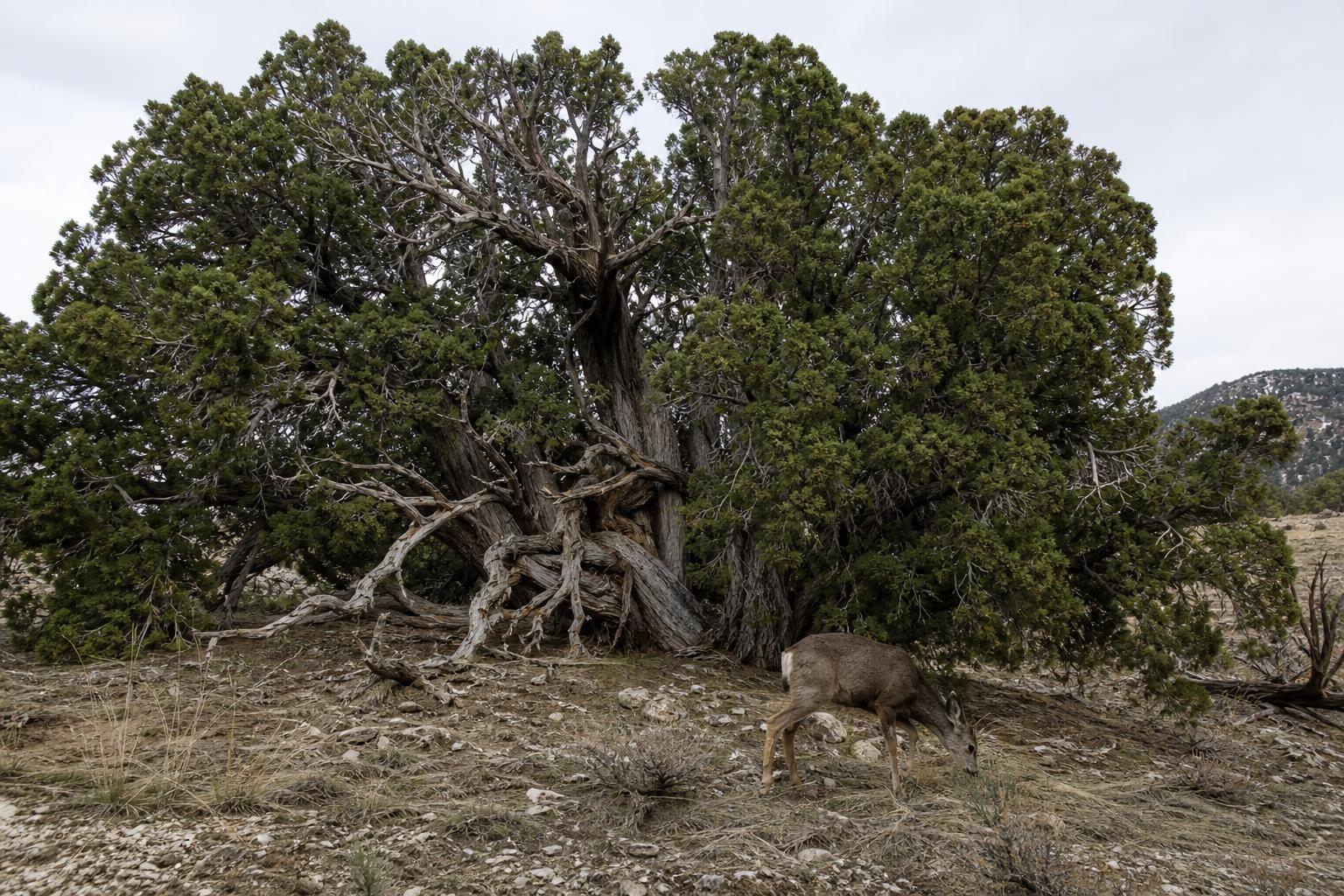
The danger is deceptively gentle. Deer slip between white trunks and nibble the tender new shoots. Year after year, the next generation is clipped before it can harden into bark and height. Without recruitment, the organism ages, its old stems die, and the root network weakens.
“Think of it as a library where every new book is torn up at the door,” says one field ecologist. No malice, just relentless, selective pressure. Add in climate stress, drought, and a century of fire suppression that altered disturbance patterns, and you get a long, quiet decline.
What makes it vulnerable
- Browsing by deer and, in some areas, livestock, targets soft, palatable suckers.
- Fire suppression reduces the disturbance that favors aspen regeneration over conifer encroachment.
- Warmer, drier conditions sap vigor, stressing both stems and roots.
- Fragmentation and roads concentrate wildlife movement, intensifying local browsing.
Repairing a living system
There is no single fix, but there are proven helps. Strategic fencing lets new shoots rise past the danger zone. In protected plots, saplings often surge from knee-high nibble-bait to head-tall survivors in a few short years. Rotational grazing and seasonal closures can lighten the pressure where cattle overlap the grove.
Well-timed prescribed fire or mechanical thinning can jolt the root network into sending up abundant suckers, mimicking the natural disturbance aspen expects. Some managers experiment with planting pre-grown saplings, but the organism’s strength is in mass resprouting, not pots and stakes. “What Pando needs most is a breather,” as one manager put it, “and the chance to do what it already knows how to do.”
Predator dynamics complicate the story. Fewer large predators can mean more browsing pressure from deer. Wildlife management—tag limits, population targets, migration corridors—becomes part of a botanical rescue. None of it is simple, but all of it is practical.
Why this matters
Aspen stands are biodiversity engines. They brighten soils with leaf litter, cool headwater streams, and host fungi, lichens, birds, and beetles that shun darker, conifer-heavy woods. The organism stores staggering carbon, but more importantly, it stores options—the genetic and ecological room for an ecosystem to adapt.
There is also a human thread. Families picnic under trembling leaves, anglers thread shorelines stitched by pale trunks, and schoolkids learn that a “tree” can be many trees, and still one. Care is not an abstraction here; it’s a trail sign, a fence panel, a season of restraint.
The weight of attention
Standing inside Pando, wind hits a million coins of leaf and turns them into a soft, metallic rain. It is beautiful, and it is tiring. Beauty does not guarantee survival. Attention does. The organism has carried itself across centuries; our job is to get it across this one.
“Let it grow” sounds naïve until you watch a sucker make it past a deer’s mouth. A year passes, then two, and the white bark begins to shine. The root network keeps its promises; we need only keep ours. In a warming West where losses pile up like dry needles, saving a single, sprawling organism is both humble and vast.
The path is already there: give it a break from teeth, restore the pulse of disturbance, and measure success not in months but in seasons. If we can do that, the leaves will keep shivering, and the shared root will keep pressing its quiet luck through rock and time.
