
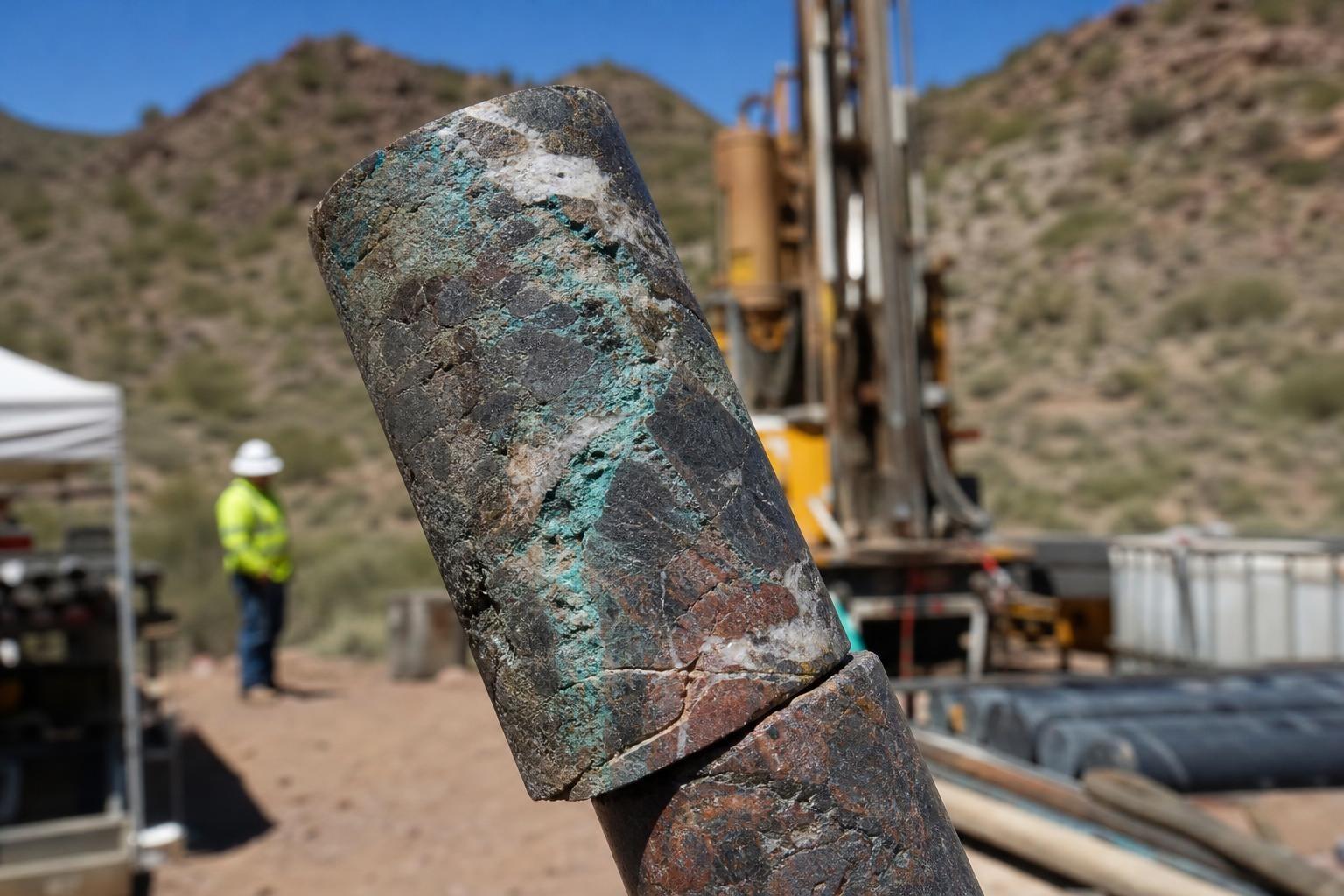
Beneath a quiet swath of pine and sandstone, far below the fire rings and picnic tables, lies a deposit with the potential to reorder America’s supply map. The copper there isn’t a rumor; it’s a measured, modelled, and metallurgically tested behemoth that could recalibrate how the United States thinks about energy security.
“Copper is the metal of electrification,” say grid planners and miners alike. Without it, the transition slows; with it, wires, motors, and transformers multiply across the landscape.
A lode measured in decades, not years
At today’s consumption rates, experts say the ore body could cover roughly a quarter of national needs for four decades. That’s a staggering figure in a market where supply has become both globalized and bottlenecked by politics.
The resource sits more than two kilometres down, in rock tough enough to demand deep shafts, headframes, and an underground city of conveyors and ventilation. “It’s not a pit you can just dig,” one engineer notes. “It’s a cathedral you build beneath the earth.”
How you mine a mountain you can’t see
The favored approach is block-caving, a gravity-assisted method that lets the ore fracture and flow to drawpoints like an hourglass of rock. It’s efficient but immovable; once you start, the ground above slowly surrenders, leaving a depression where a forest once stood.
Two vertical shafts would thread the crust, linking the surface to a labyrinth of tunnels, crushers, and belts. Every tonne moved down there lightens what’s possible up here—power lines, EVs, data centers, and resilient grids.
A sacred landscape meets an industrial future
Above the deposit stands a landscape revered by Western Apache and other Tribes, known as Chi’chil Biłdagoteel—Oak Flat to the wider public. Ceremonies, springs, and petroglyphs braid culture with place, making this more than a question of permitting.
“This is not empty land,” Apache advocates argue. “It breathes our history, and our children pray here.” Supporters of development counter that a domestic supply is a strategic buffer against volatile imports and strained allies.
A congressionally authorized land exchange, years of environmental review, and multiple lawsuits have kept the project in limbo. Each step inches between sovereignty and industrial ambition, asking how a nation should weigh heritage against infrastructure.
Water, tailings, and the cost of desert mistakes
Copper is thirsty, and the desert is dry. Processing demands water for grinding, flotation, and dust control—volumes that raise alarms in a region where every acre-foot is contested.
Engineers propose recycling, conservation, and alternative sources, but skeptics see risk in aquifer drawdown and contamination. Then come the tailings: a sprawling, fine-grained legacy that must be stored for centuries against seepage, storms, and seismic shudders.
Dry-stack tailings promise stability, yet they’re capital- and land-intensive. “You don’t get a second chance with water,” a hydrologist warns, “especially when the baseline is already scarce.”
Why copper now feels non‑optional
Electrification isn’t an idea; it’s orders for busbars, charging depots, heat pumps, and reconductored lines. Substitutes like aluminum help at the margins, but conductivity, durability, and reliability keep copper in the core of the buildout.
Meanwhile, major producers in Chile, Peru, and the DRC face strikes, community pushback, and permitting delays. A US-based supply would temper price spikes and curb geopolitical exposure, even as recycling ramps to meet demand.
“Every gigawatt we add has copper traced through its veins,” notes a utility executive. “If we want speed, we need rock-solid sources.”
What it would take to earn a social license
The starkness of the trade‑offs suggests a higher bar than usual. Any path forward needs evidence, not just promises.
- Binding tribal consent and cultural heritage protections, with enforceable veto power over sacred-site disturbance
- A dry-stack or filtered tailings plan sited off sensitive hydrology, backed by independent geotechnical review
- Legally ring‑fenced water budgets, transparent metering, and penalties that bite if thresholds are breached
- A reclamation bond sized to worst‑case scenarios, not best‑case spreadsheets
- Revenue sharing that channels direct, durable benefits to nearby communities and Tribes
- Continuous environmental monitoring with public, real‑time data and third‑party audits
“These can’t be brochures,” a community leader insists. “They must be contracts with teeth and teeth that actually close.”
Timelines, uncertainty, and the long arc of ore
Even with approvals, a deep-cave operation unfolds over years—shafts sunk, plants built, and networks tuned before first copper ships. Markets swing, politics turn, and technology keeps nudging the balance between new mines and better recycling.
What is clear is the scale of need colliding with the stakes on the surface. A nation chasing lower emissions will either open new frontiers or learn to meet demand with a tighter loop of scrap, efficiency, and substitution.
Between those poles lies a question worthy of a referendum in slow motion: Which places are too precious to change, and what standards must be met when we decide to dig?
