
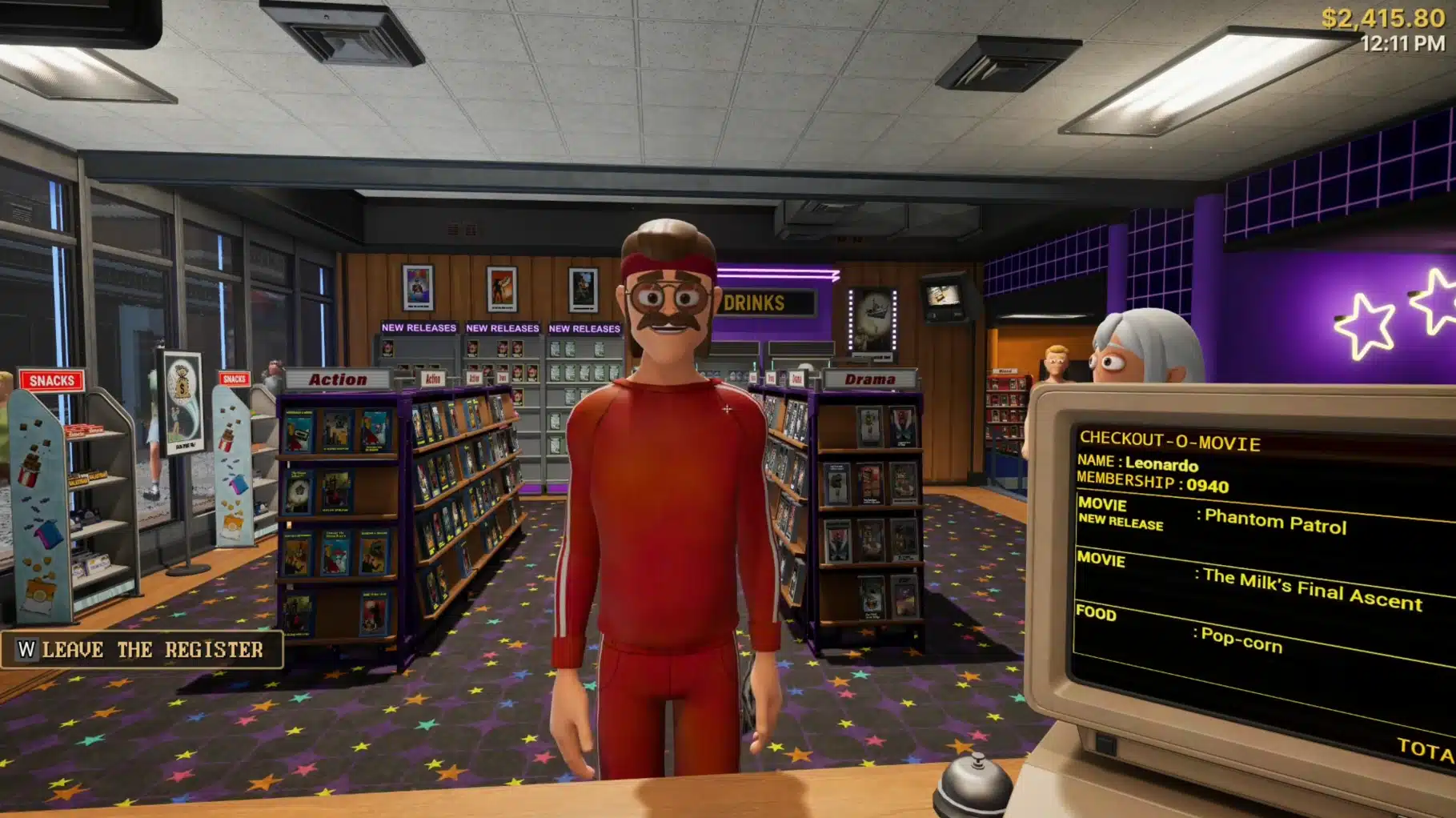
For an entire generation, wandering through the aisles of a video rental store in search of the perfect film was a sacred ritual. Since the mass closure of these temple-like rental houses in favor of streaming, a profound nostalgia has settled in. To fill this emotional void, a small Canadian studio has just released an unconventional video game that thrusts players straight back to the 1990s. Far from the high-octane action blockbusters, this title tasks you with handling surprisingly routine management chores, yet it has sparked an unexpected surge on download platforms.
The Digital Resurrection of a Bygone Era
There was a time, not so long ago, when choosing a film meant stepping out of the house and carefully inspecting plastic jackets. In the United States as well as in Europe, major rental chains like Blockbuster dictated how we organized our weekends. But the digital revolution proved fatal to this thriving industry: the American giant finally shuttered its doors in 2014 (with the exception of a stubborn shop in Oregon), taking with it an entire slice of popular culture.
Blood Pact Studios decided to tap precisely into this emotional vein. Made up of only two developers, the team conceived Retro Rewind, a title recently released on PC via Steam. The premise is as simple as it is unexpected: you play the manager of a cassette rental shop in the heart of the grunge decade. Your mission isn’t to save the world, but to keep your neighborhood shop running smoothly.
A simulation where detail reigns supreme
From a gameplay standpoint, Retro Rewind adopts a first-person perspective with a vibrant aesthetic that strongly evokes the vibe of The Sims. The player plunges headfirst into the everyday life of a shopkeeper: meticulously stocking displays with new releases, guiding indecisive customers, and handling returns. Immersion comes from a slew of soothing mechanical tasks, such as manually scanning each item on an old CRT computer, or brewing hot popcorn to keep the queue moving.
The real strength of the game lies in its exceedingly deep customization. The player enjoys the freedom to arrange the space with period neon signs, cotton candy machines, or promotional cardboard cutouts. The outside world is just as lively: a dynamic day/night cycle and a weather system that inevitably interrupts the routine. A violent storm can abruptly force you to close the shop.
The obsession with historical authenticity
In an interview with the specialized blog 80 Level, the duo of creators explained that nostalgia constituted the true backbone of the project. Rather than simply copying the management mechanics of other licenses, they focused all their efforts on the maniatic recreation of a vanished atmosphere.
This manifests first in the appearance of virtual customers, proudly donning neon tracksuits and iconic cargo shorts. But the most telling detail of this authenticity concerns the payment system. In Retro Rewind, it is strictly impossible to pay with a credit card. The developers imposed the exclusive use of cash, compelling the player to handle bills and give exact change.
The paradoxical success of virtual labor
Against all expectations, the game quickly climbed to the top of Steam’s best-seller list, upstaging some extraordinarily expensive blockbuster releases. This meteoric rise can be explained by the current scarcity of physical media, but also by a psychological phenomenon that is increasingly documented.
Why do people pay to perform repetitive tasks on a screen after their own day’s work? In truth, these simulation games offer a deeply relaxing space. Completing predictable tasks (often referred to as “grind”) provides mental solace in the face of a chaotic real world. The desire for virtual normality runs so deep that even action franchises, such as Grand Theft Auto Online, have ended up integrating real office jobs to satisfy this surprising quest for tranquility.
👉 Un petit geste pour Space Group ? Suivez-nous sur Google, ajoutez-nous à vos favoris et retrouvez-nous sur Google Actualités pour ne manquer aucune découverte.
