
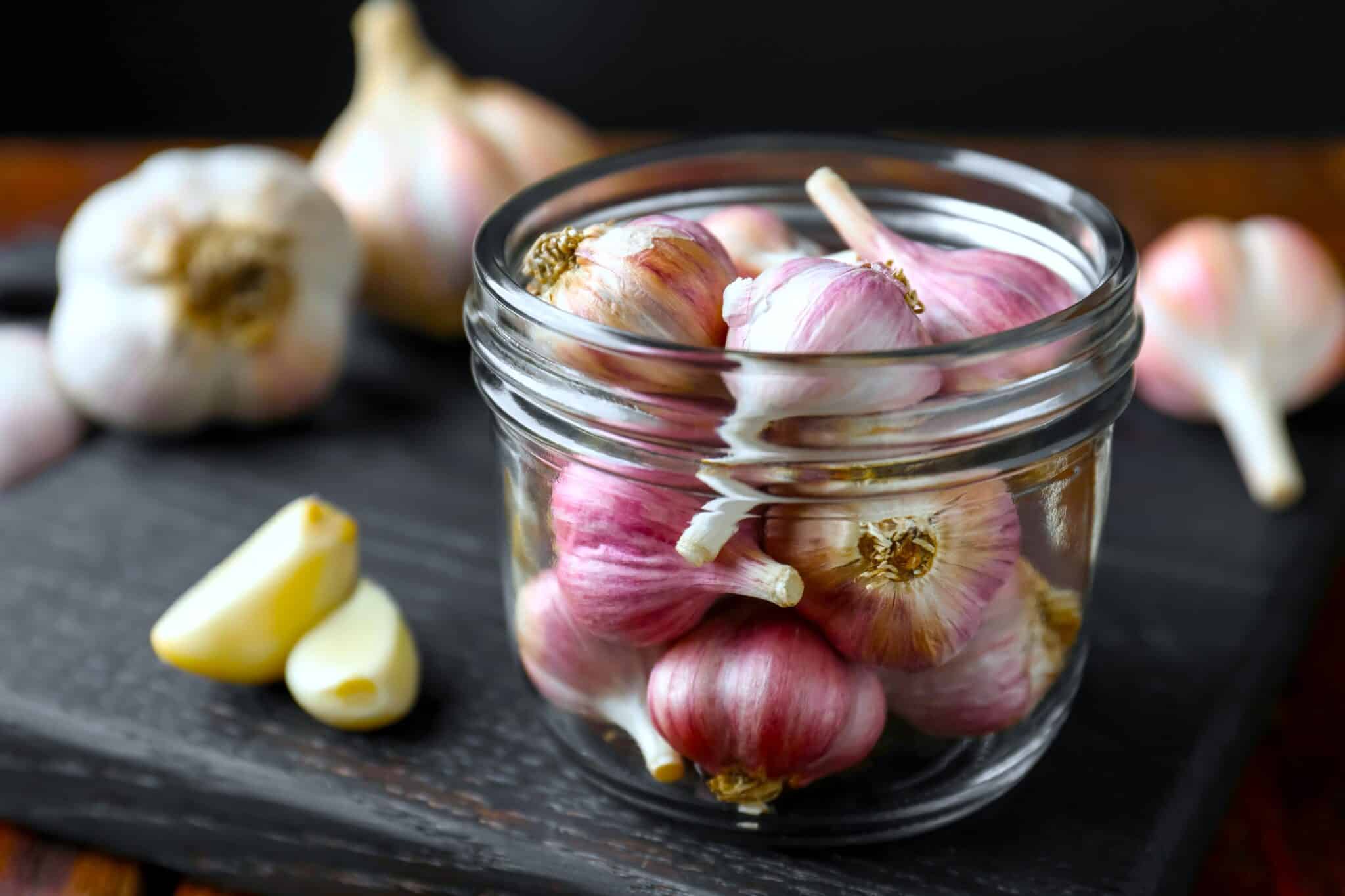
Each autumn, the same scenario repeats: temperatures drop, leaves fall, and suddenly your home becomes the stage for a quiet yet systematic invasion. Spiders, driven by their reproductive and survival instincts, seek refuge in our warm interiors. The solution? It may be hiding in your kitchen, in the form of simple garlic cloves. Contrary to common belief, science reveals that this ancestral technique, along with other natural methods, allows harmonious coexistence with these ecological helpers without resorting to extermination.
Why this autumn invasion?
The mass arrival of spiders in our homes is not a matter of chance. This phenomenon follows a precise biological calendar: as winter approaches, two major instinctual behaviors are triggered in these arthropods. On the one hand, the mating season is in full swing, pushing males to travel long distances in search of partners. On the other, the quest for thermally favorable shelter becomes essential for their winter survival.
Our houses represent ideal sanctuaries: stable temperatures, absence of natural predators, and an abundant food source thanks to other insects that themselves seek shelter. This seasonal migration thus follows a perfectly rational survival logic.
The fortress strategy: an impenetrable approach
The first line of defense rests on simple yet effective principles of home engineering. Weatherproofing your habitat is the most durable method: sealing wall cracks, checking window joints, and inspecting potential entry points around plumbing.
This preventive approach is complemented by a tactic to disrupt their habitat: systematic decluttering deprives spiders of their favorite hiding spots, while regular cleaning eliminates nascent webs and disrupts their setups.
Garlic: the secret weapon from your kitchen
The most surprising solution is probably already in your kitchen. Garlic, this bulb with well-known culinary properties, reveals an unforeseen talent: effectively repelling spiders. The method is astonishingly simple: crush a few garlic cloves, let them steep in water for a few hours, then spray this solution around potential entry points.
The effectiveness of this technique rests on the spiders’ extreme sensitivity to the sulfur compounds released by garlic. These volatile molecules create an olfactory environment that is intolerable for these arthropods, without posing any danger to humans or pets.
The other olfactory allies from your pantry
Garlic is not alone in this aromatic battle. Peppermint essential oil, diluted in water, offers a more refined alternative, creating an invisible yet deterrent olfactory shield. For autumn ambience enthusiasts, cinnamon provides a double advantage: it repels spiders while simultaneously enriching the home with its warm fragrances.
This natural repellent strategy exploits a little-known vulnerability of our eight-legged intruders: their hypersensitivity to strong odors, which disrupts their sophisticated sensory systems.
The garden ecosystem as an ally
Landscape design can become a strategic tool in this scent-driven war. Planting mint, lavender, or eucalyptus near openings creates natural buffer zones. These plants continuously diffuse their repellent active compounds, establishing a biological safety perimeter around your dwelling.
Even kitchen waste finds usefulness: citrus peels, rubbed along baseboards, release essential oils particularly unpleasant for spiders.
Ethical approach: coexistence rather than extermination
Ecological science reminds us of the crucial role spiders play in maintaining the balance of domestic ecosystems. True natural regulators, they effectively control populations of flies, mosquitoes, and other pests. Their systematic elimination disrupts this delicate balance.
The recommended approach favors gentle relocation: carefully capturing intruders to relocate them to appropriate outdoor shelters. This method preserves both your overall comfort and the integrity of the local food chain.
Autumn can thus become an opportunity to experiment with intelligent coexistence with these fascinating creatures, combining respect for life with the preservation of your personal space.
