
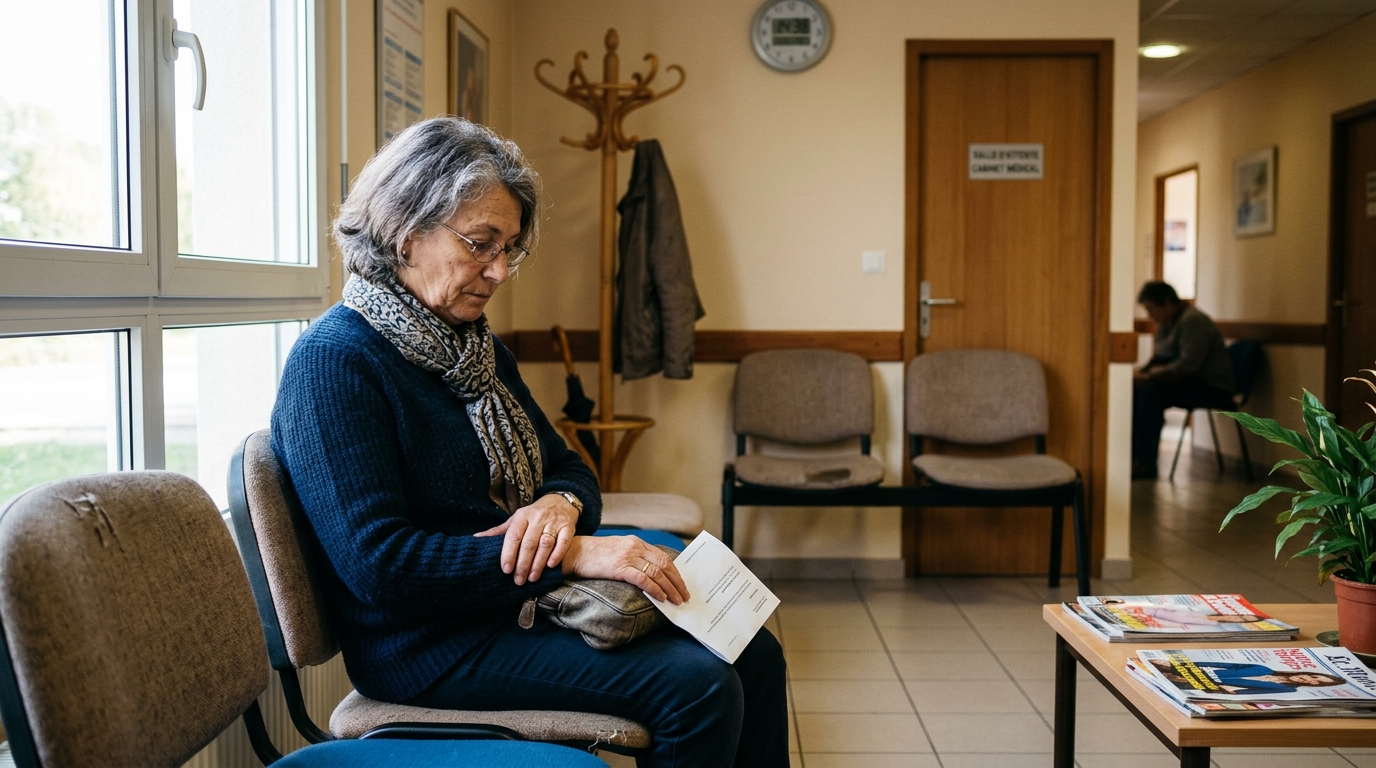
A phone call, a test result, and suddenly everything changes. Many women facing a breast cancer diagnosis ask the same question: who in the family could have passed this on to me? Yet, in the vast majority of cases, the answer is astonishingly simple: no one. This belief, deeply rooted in the public mind, has a stubborn life. It distracts attention from a gesture that is straightforward, accessible, and fully covered, yet strangely shunned by part of the population concerned. Between popular beliefs and official data, it is time to shed light on what we really know about this disease that affects so many French families.
- Only 5 to 10% of breast cancers are linked to hereditary predisposition (BRCA1/BRCA2).
- Age, lifestyle factors (alcohol, sedentary behavior, overweight, tobacco) and hormonal factors are the main risk factors to monitor.
- Between 50 and 74 years old, a screening mammography is offered free of charge every two years, but adherence remains too low.
- A disease far less hereditary than commonly believed
- The true risk factors to watch for
- Free screening, a chance still too neglected
A disease far less hereditary than commonly believed
The collective image almost automatically links breast cancer to a family history of genes passed down from generation to generation. A grandmother, an aunt, a cousin affected, and fear takes hold for good. Yet, according to the INCa (National Cancer Institute), only 5 to 10% of breast cancers are truly linked to hereditary predisposition, notably through BRCA1 and BRCA2 mutations, now well identified by research. This means, in essence, that nine out of ten cases occur without any direct link to the family’s genetic heritage. In other words, the absence of family history does not protect anyone, and its presence does not condemn either. This figure deserves to be emphasized, as it upends a belief deeply rooted and sometimes a source of false reassurance for those who think, wrongly, they face no risk because there is no hereditary connection in their family.
The true risk factors to watch for
If heredity explains only a portion, other elements come into play, often subtler but just as decisive. Age remains the primary risk factor: breast cancer mainly affects women after 50 years, although earlier cases do occur. Lifestyle also weighs in: regular alcohol consumption, prolonged sedentary behavior, overweight after menopause, or smoking increase risk in measurable ways. Hormonal factors matter too, whether it is early puberty, late menopause, or prolonged use of hormone replacement therapy. And a lack of pregnancy or a late first pregnancy also alters the breast tissue’s exposure to hormones over time. In short, prevention relies far more on an overall healthy lifestyle and regular vigilance than on a simple family history investigation, however reassuring it might seem.
Free screening, a chance still too neglected
Here lies the most frustrating paradox of this story: while France offers an accessible and fully funded screening system, a portion of the women who should benefit from it let the opportunity slip by. Between 50 and 74 years, a mammography covered at 100% is offered every two years as part of the national organized screening program. Concretely, this means an exam with no upfront payment, no excess charges, and a double reading of the images ensuring stronger reliability. Yet participation remains below the targets set by health authorities, held back by fear of the exam, lack of time, or simply being overwhelmed by a busy daily life. It is precisely during this Breast Cancer Awareness Month that awareness campaigns multiply to remind of the importance of this biannual appointment. Because an early-detected cancer often requires lighter, less invasive treatment and offers significantly higher chances of cure. The invitation letter received by mail is therefore not insignificant: it should be taken seriously, even in the absence of symptoms or particular worry.
Ultimately, better understanding the mechanisms of breast cancer shifts attention away from a supposed family fate and toward preventive actions accessible to everyone. The free mammography is not just another administrative constraint; it is an opportunity to seize without waiting for a family warning signal that, in most cases, simply does not exist.
