
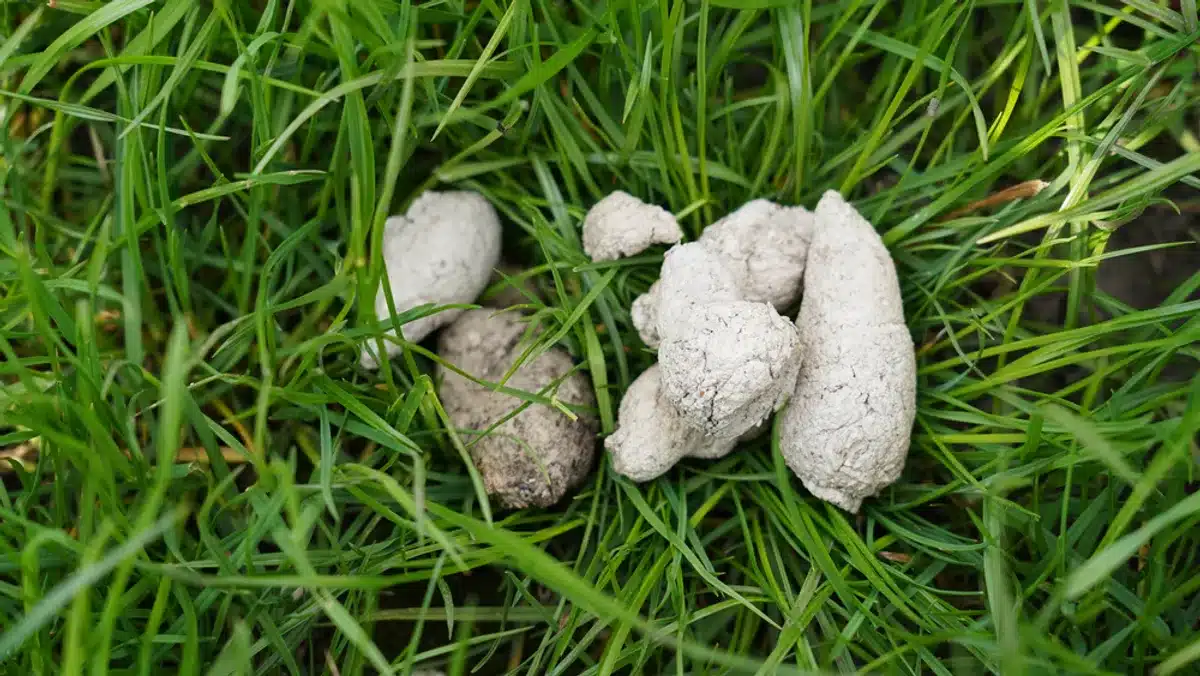
If you grew up before the 1990s and 2000s, you probably remember those strangely white dog stools that dotted the sidewalks of your childhood. Today, they have virtually disappeared from the urban landscape. This quiet transformation actually hides a revolution in canine nutrition and reveals fascinating aspects of the physiology of our four-legged companions.
A Generational Phenomenon That Raises Questions
This gradual disappearance constitutes a true generational marker. People born after 1990 have often never observed this phenomenon, while their elders remember perfectly those whitish deposits that formed on canine feces after a few days of exposure to the elements.
The question deserves to be asked: what happened for such a common feature of the urban environment to fade until it nearly vanished?
The Scientific Explanation Behind the Whitening
Contrary to popular belief, dogs did not directly produce white stools. The process resulted from a post-defecation chemical transformation. Exposure to sunlight and the elements caused the gradual evaporation of water contained in the feces, thereby concentrating the minerals present.
The main culprit of this coloration was calcium, present in substantial quantities in the canine diet of the era. When the dog’s body could not absorb this mineral completely, the excess was eliminated through the natural excretory pathways. Once dehydrated, these substances were coated with a whitish film composed mainly of crystallized calcium salts.
The Canine Food Revolution of the 1990s
The pet food industry underwent a major transformation around the turn of the millennium. Previously, manufacturers heavily incorporated meat and bone meal into their recipes—cheap yet imbalanced sources of calcium. This practice aimed mainly at cutting production costs rather than optimizing nutrition.
Veterinary research gradually demonstrated the limits of this approach. An excess of calcium can be problematic for canine health, especially in growing puppies where it can disrupt bone development. Moreover, the absorption of this mineral depends substantially on its chemical form and its bioavailability.
The Consequences of a Better Nutritional Understanding
Advances in animal nutrition knowledge led manufacturers to reformulate their products. Calcium intake was better balanced, taking into account the real needs of animals according to their age, size, and activity. This shift explains why modern dogs excrete far less excess calcium.
Meanwhile, the diversification of protein sources and the gradual abandonment of low-quality bone meals contributed to this transformation. Contemporary foods favor more digestible ingredients that better suit the physiological needs of canines.
When to Worry About Color Changes
Although calcium-derived white stools have become rare, other causes can lead to pale stools in dogs. Liver or biliary disorders can result in an abnormally pale appearance of the feces, stemming from insufficient bilirubin production.
This substance, responsible for the normal brown coloration of feces, can be lacking in cases of liver or gallbladder dysfunction. In this context, discoloration becomes a warning sign requiring prompt veterinary consultation.
An Unexpected Indicator of Progress
The disappearance of white dog stools perfectly illustrates how the evolution of industrial practices can be reflected in seemingly trivial details of our daily lives. This silent transformation testifies to a better scientific understanding of animals’ nutritional needs and to an overall improvement in the welfare of our companions.
Today, if your dog produces abnormally pale stools, you should consult a professional rather than interpreting it as a natural phenomenon as was the case thirty years ago.
