
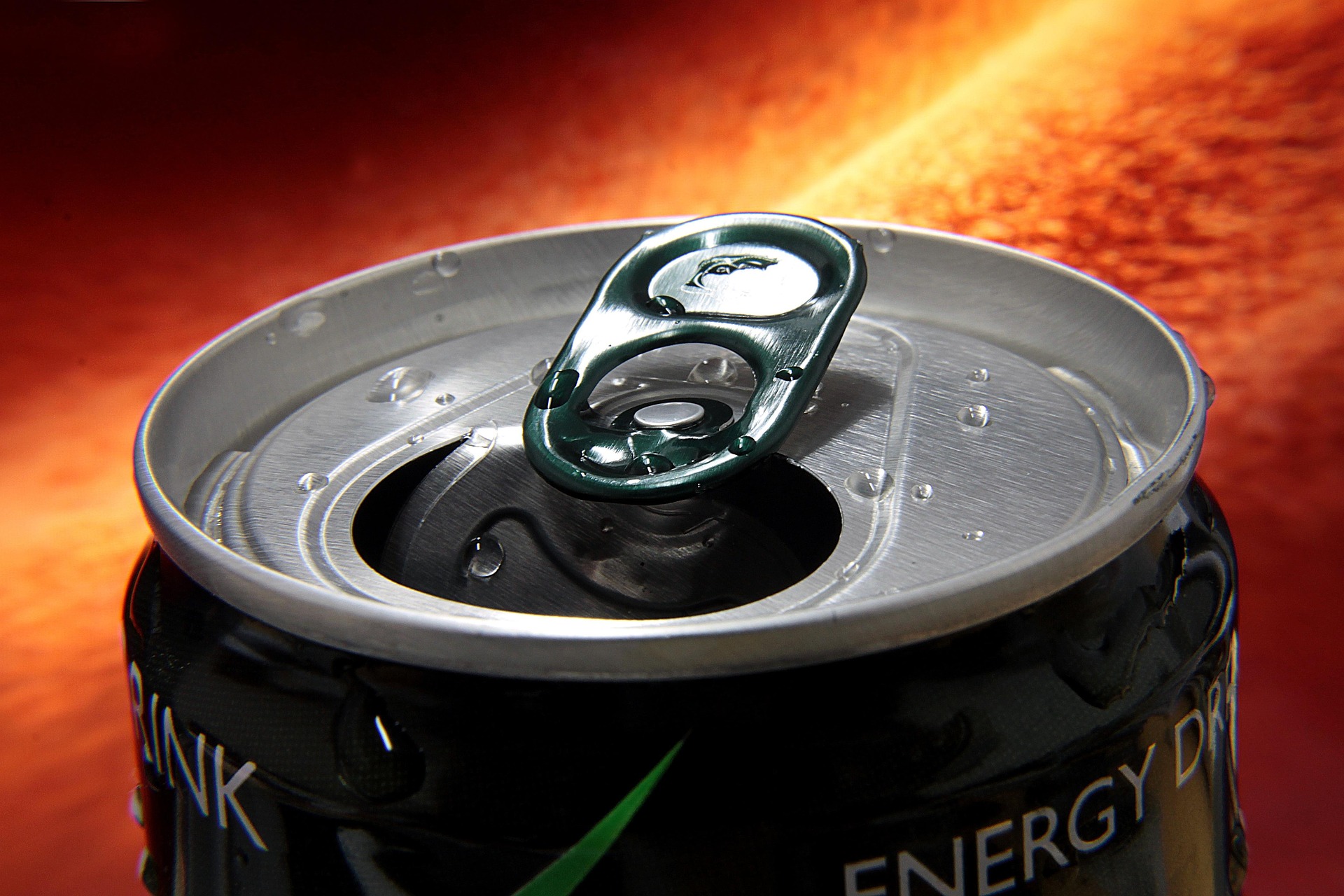
In light of the real health risks associated with energy drinks, it would be prudent to consider consuming other beverages that are more natural. It must be said that these drinks often contain high levels of caffeine, sugar and other undesired stimulants.
Energy drinks present risks
First, it seems necessary to clarify the difference between energy drinks and energy beverages. The main difference is that the former serve solely to stimulate the nervous system, whereas the latter are intended for athletic exertion.
In France, certain institutions regularly warn about energy drinks. This was notably the case with the Agence nationale de sécurité sanitaire de l’alimentation, de l’environnement et du travail (ANSES) in a 2022 publication. According to the agency, these drinks contain caffeine at high doses, high levels of sugar or sweeteners, as well as other substances such as guarana or taurine. Experts warn that in case of excess, the list of risks is fairly long: tachycardia and palpitations, high blood pressure, sleep disturbances, anxiety disorders, dependence, weight gain, etc.
As far as energy drinks are concerned, concerns are much more limited. It must be said that their objective is simply to hydrate and compensate for losses related to physical activity. They therefore help to improve endurance and recovery. These beverages typically contain water, carbohydrates, minerals (sodium), vitamins and sometimes electrolytes.
Water, the best drink before and after exercise
ANSES explains how to avoid adverse effects related to consuming energy drinks. First, it is essential to avoid consuming them before or during physical activity. Then, it is wisely not to mix them with alcohol. Moreover, it is important to avoid their consumption in many cases, for instance children, as well as adolescents, pregnant or breastfeeding women. Also note people with cardiovascular disorders, severe liver problems, kidney failure or a neurological or psychiatric condition, among others.
A question then arises: what to drink before or after sport? Generally, the best beverage remains water, since it hydrates without adding sugars, stimulants and other additives. In the case of prolonged physical effort or in hot weather, a beverage designed for exertion (an energy drink) can be useful. The aim? To offset larger losses of water and sodium. After the effort, regardless of intensity, the essential thing is to rehydrate and return to a balanced diet.
Other natural alternatives?
When we talk about energy drinks, we are obviously referring to those available commercially and whose marketing tends to be quite aggressive. However, it is entirely possible to prepare natural energy drinks yourself that do not all produce a stimulating effect. For example, milk chocolate or a banana smoothie are interesting beverages for recovery. Other natural energy drinks can be stimulating, such as green tea and mate. However, since these still contain caffeine, it is also necessary to avoid excess.
Finally, let us discuss a so-called good idea that sometimes appears in elite sport: adding sodium bicarbonate to water. Here, the aim is to temporarily limit muscle acidity during certain intense efforts. However, it should be noted that this is not a widely accessible solution because the doses are studied and therefore very precise. The practice is also not recommended without medical advice, especially for people with hypertension, heart problems or those already taking medication.
