
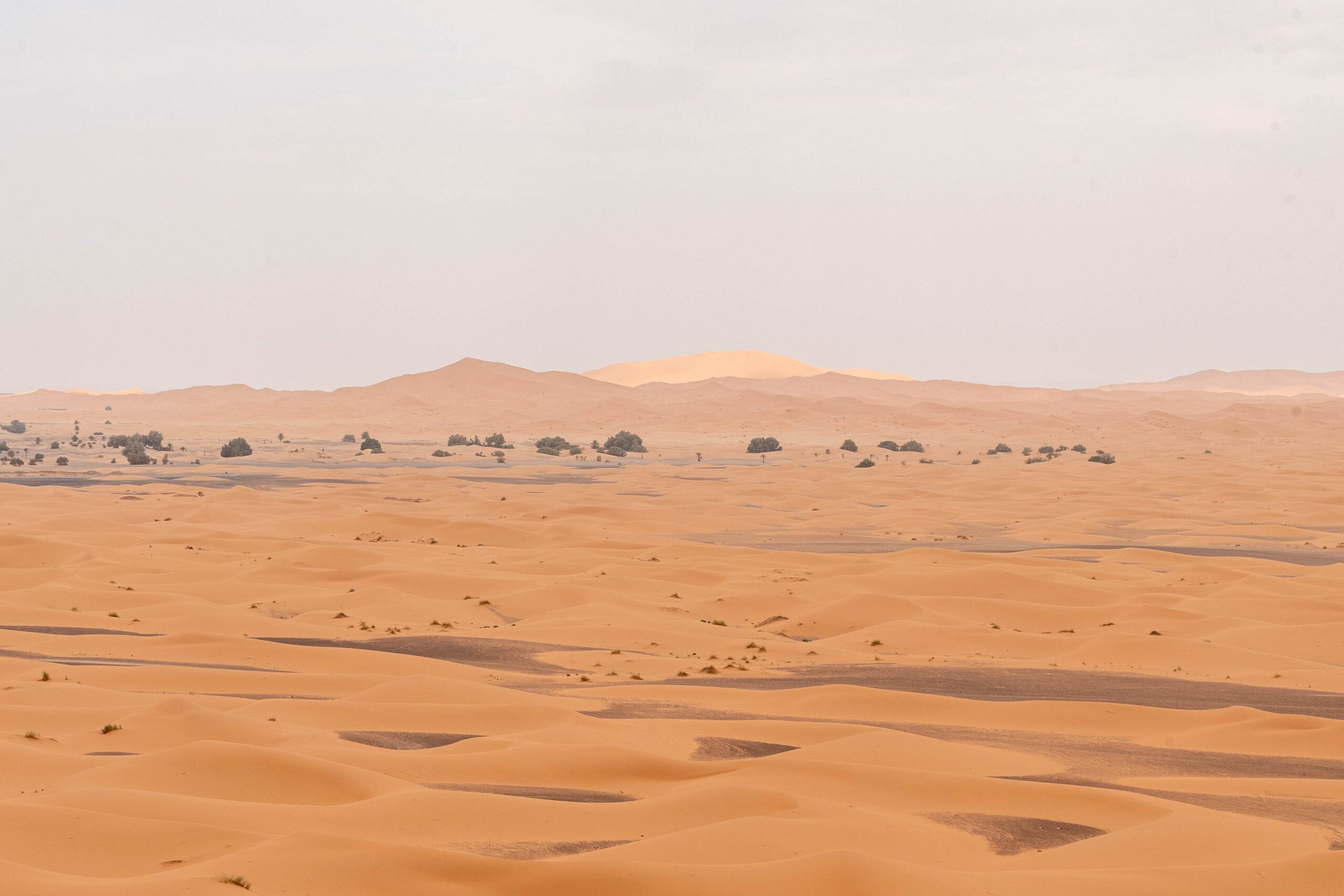
Recently, the latest Conference of the Parties to the United Nations Convention to Combat Desertification has not truly yielded a positive result. With the central theme of the environmental emergency embodied by the fight against desertification, this event ended with a mixed outcome. Apart from commitments in the form of financial investments, no major binding treaty or significant political advance was approved.
Land Degradation Affecting Food Security
The 17th Conference of the Parties to the United Nations Convention to Combat Desertification (COP17) took place from August 17 to 28, 2026, in Ulaanbaatar, Mongolia. Its slogan “Restoring lands, restoring hope” highlighted the role of pastoralism and, more broadly, the fight against desertification. The event aimed to address a particular environmental emergency: globally, nearly 40% of land surfaces are degraded. This situation directly affects food security and the livelihoods of more than three billion people.
“Across the world, from the Andes to the Sahara, via the Alps and the Arctic tundra, communities have learned for centuries to live in harmony with the land, and not against it. This is the principle of pastoralism: raising livestock in environments too extreme for farming, guided by knowledge refined through generations.”
Thus, negotiations focused on soil restoration, sustainable water management, resilience to mounting drought, and the preservation of food systems. After two weeks of bargaining, the 197 parties at the conference found themselves in a political deadlock, as Reporterre explained in an article dated August 29. Indeed, no major binding treaty or significant political advance was approved, largely due to tensions related to the American and Russian delegations.
Some Positive Points Despite a Major Political Deadlock
Several positive aspects were nonetheless notable. An amount of 1.3 billion dollars was pledged at the conclusion of the event, in the form of commitments to green investment. Moreover, the continuity of the conference is ensured: the organization of the upcoming COP18 will be held in Sharm El-Sheikh, Egypt, next year.
As the host of COP17, Mongolia placed sustainable pastoralism at the heart of the global political agenda. The country argues that it is important to valorize this ancestral lifestyle as a future solution to the climate crisis. It should be noted, however, that grazing lands cover more than half of the Earth’s surface. When managed sustainably, they act as gigantic carbon sinks and help maintain soil fertility. Moreover, transhumance and the mobility of herds provide a natural regulation of vegetation. This prevents overgrazing while promoting the richness of fauna and flora of the steppes and arid zones.
Unfortunately, COP17 was paralyzed by a major political deadlock. While the climate emergency demanded global responses, the negotiations veered into questions of sovereignty, semantics, and bilateral diplomacy. The blame is laid at the United States, which notably rejected the idea of a global drought treaty. As for Russia, it spent its time challenging the presence of Ukrainian representatives on the scientific committee and in the study group working on the convention’s strategic framework for the 2030 horizon.
