
Our difficult digestions don’t always stem from what’s on the plate, but rather from how we eat and drink at the table. This is a reality that unsettles our habits: that tall glass of water gulped down in the middle of a meal, meant to ease transit and relieve the sense of heaviness, could actually have the opposite effect. Bloating, a distended belly, the irresistible urge to loosen the belt after a somewhat long summer dinner… so many signals that we too quickly attribute to the foods themselves. Yet a simple gesture repeated with every bite could be the real culprit. Here is what to watch for to understand why our meals weigh on us at times, even when they seem balanced.
That gulp of water swallowed in one go, the false friend sabotaging the stomach
Drinking heavily during a meal seems obvious, almost a rule of good manners passed down from childhood. We have been told to stay well hydrated, especially in the heat of summer, and we fill the glass to the brim before even bringing the fork to the mouth. Yet, swallowing large sips while eating dilutes the gastric juices and markedly slows the stomach’s work. The result: the food stagnates, ferments, and digestion stalls before it has truly begun. Add to that very cold water, almost icy at this season, or worse, a bubbly drink full of fizz, and the stomach finds itself stretched between several fronts. What was meant to quench thirst becomes an invisible brake, without us ever suspecting the role played by this simple glass.
Chewing, that forgotten reflex that changes everything
At the table, we swallow too quickly, often in less than fifteen minutes, without giving our teeth or saliva time to do their work properly. Yet digestion begins in the mouth: insufficient chewing sends pieces to the stomach that are too large, which it will have to process twice as long and with much more effort. It’s a bit like asking a washing machine to dissolve a garment crumpled into a ball: the cycle will be longer, and the result rarely satisfying. Add to that XXL portions, particularly common during large holiday meals with friends or family, a few sparkling drinks served very cold to cope with the heat, and you get the perfect cocktail for bloating. The body, for its part, absorbs in silence, until the sensation of heaviness sets in and spoils the end of the evening.
The winning trio: small bites, small sips, big difference
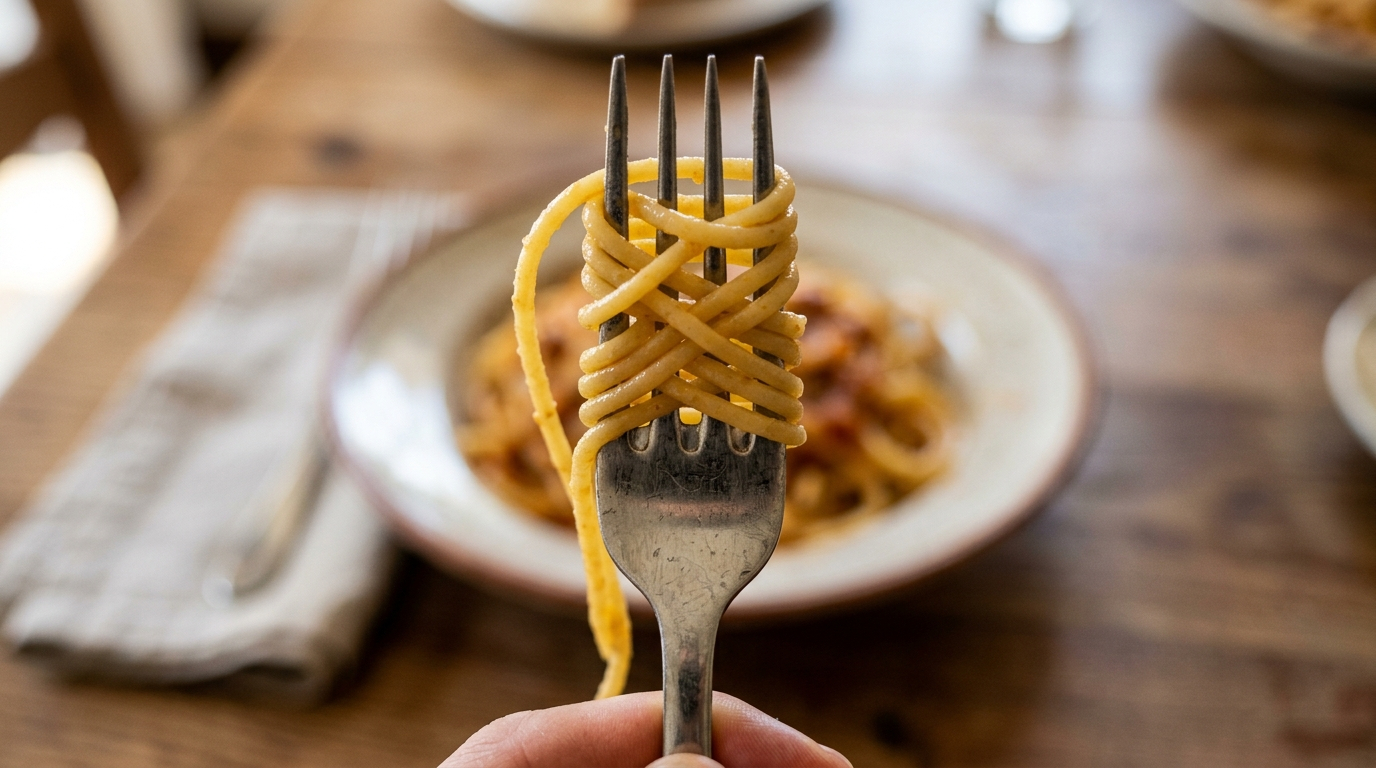
The solution rests on three actions of disarming simplicity. Eat slowly, reducing portion sizes, so that the satiation signals can reach the brain in time, typically about twenty minutes after the meal begins. Drink plain water, at room temperature, in small sips rather than in one go, to avoid the brutal dilution of digestive enzymes and to respect the stomach’s natural rhythm. Finally, rest the fork between bites, take time to chat, to glance at your plate, and the end of the meal changes dramatically: more lightness, less drowsiness after the meal, a calm belly by the time the coffee arrives. This gentle pace is not about constraint; it restores the meal’s pleasure, far from the daily rush. According to guidelines shared by the National Health Insurance, hydration spread evenly throughout the day, rather than concentrated around meals, promotes better digestive comfort.
Before banning any particular food from your plate, try first to rethink your way of eating. Slow down, chew, sip instead of gulp: these micro-changes often suffice to make disappear those so-called “impossible” digestions that spoil so many summer evening meals. And could the next step simply be to rest your fork between each bite, to rediscover the true taste of what you’re eating and give your body the time it quietly demands?
